
Embarking on the iconic Inca Trail to Machu Picchu is a journey that promises adventure, breathtaking landscapes, and a deep dive into the rich cultural tapestry of Peru. But when is the best time to hike this legendary trail?
Understanding the nuances of the weather and planning your trip accordingly is crucial for a successful and enjoyable trek. Let’s delve deeper into the factors that determine the best times to embark on this awe-inspiring adventure.
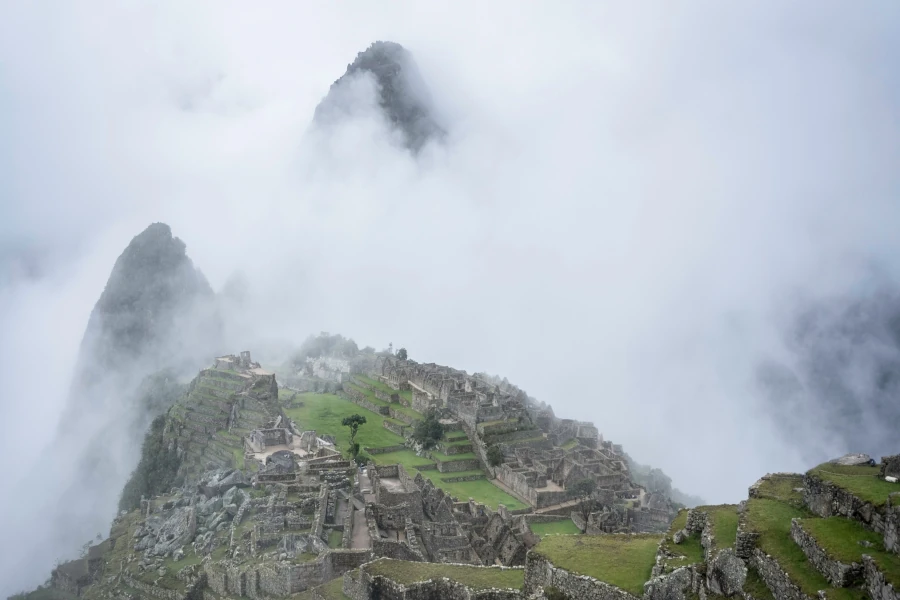
The weather on the Inca Trail varies significantly throughout the year, with each season offering a unique experience. The trail is located in the Andes mountains, which means the climate is influenced by both altitude and the proximity to the equator. Let’s explore how these factors affect trekking conditions throughout the year.
Altitude plays a critical role in shaping the weather patterns on the inca trail to machu picchu. As you ascend the trail, temperatures can drop significantly, especially at night. This means hikers need to be prepared for a range of temperatures, packing layers that can be easily added or removed. The higher elevation also means the air is thinner, which can lead to altitude sickness if precautions aren’t taken. The heights can peak if you try the Salkantay trail.
Being near the equator, the Inca Trail experiences relatively consistent daylight hours throughout the year. However, equatorial proximity also means intense sun exposure, even during cooler months. Sunscreen, hats, and sunglasses are essential to protect against UV radiation. The equatorial position also contributes to the distinct dry and wet seasons.
Each season on the inca trail to machu picchu brings its own set of weather conditions. The dry season offers clearer skies and more predictable weather, while the wet season brings lush landscapes and the possibility of rain. Understanding these variations can help you choose the season that aligns best with your preferences and preparedness.
The dry season in the inca trail to machu picchu is considered the best time to hike the inca trail to machu picchu. During these months, the weather is generally clear and sunny, with cooler temperatures that are ideal for trekking. The dry season aligns with Peru‘s winter, offering crisp mornings and evenings that require layers of clothing. Let’s delve into the benefits and challenges of hiking during this time.
The dry season’s weather is characterized by minimal rainfall and clear skies. This creates ideal conditions for hiking, as the trail is drier and less slippery. The cool temperatures during this time make strenuous hikes more manageable, reducing fatigue and dehydration risks.
The favorable weather conditions make the dry season the most popular time for tourists. This popularity means the trail can be crowded, which might detract from the sense of solitude and connection with nature. Early booking is essential, as permits sell out quickly due to high demand.
To navigate the crowds, consider starting your trek early in the morning when fewer hikers are on the trail. Alternatively, opting for a less popular trek route or visiting during the shoulder months can offer a more peaceful experience. Planning can significantly enhance your overall experience during this peak season.
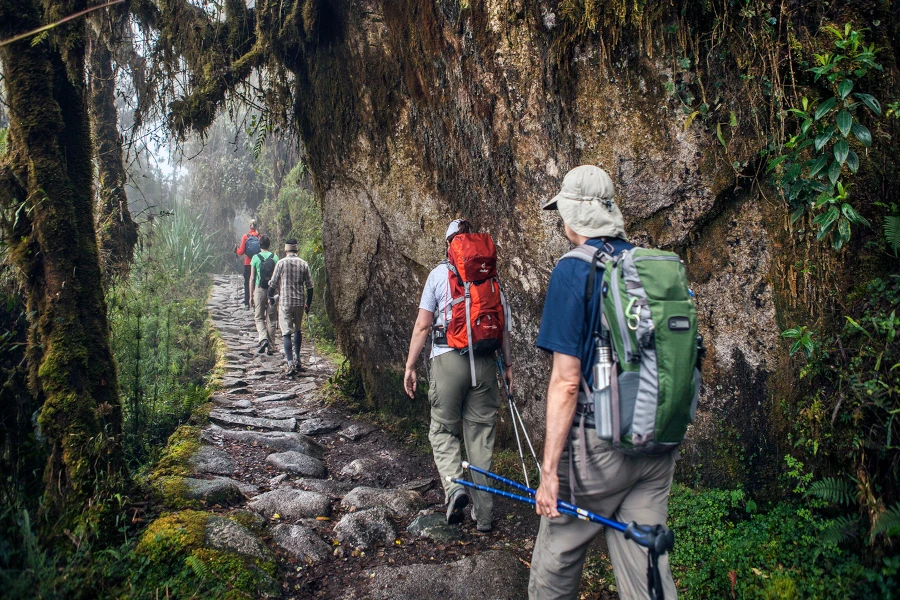
The wet season brings frequent rain showers, making the trail more challenging due to muddy paths and potential landslides. However, the landscape is lush and vibrant, offering a different kind of beauty. Let’s explore the pros and cons of embarking on the trail during these months.
One of the most captivating aspects of hiking the inca trail to machu picchu during the wet season is the lush, vibrant scenery. The rain breathes life into the flora, painting the landscape with a rich tapestry of greens. The fewer tourists during this time also means you can enjoy these stunning views with a sense of solitude.
Rain can make the trail slippery and increase the difficulty of the trek. Hikers must be prepared with waterproof gear and be cautious of potential landslides. Despite these challenges, the reward of a more intimate experience with the trail’s natural beauty can be worth the effort for adventurous souls.
For those seeking a more solitary experience, the wet season offers an escape from the crowds. The lower number of tourists allows for a more personal connection with the trail and its history. This solitude can enhance the spiritual and reflective aspects of the journey, providing a unique perspective on the trek.
April and October are transitional months, offering a balance between the dry and wet seasons. These months can provide a good compromise, with fewer crowds and relatively stable weather conditions. Let’s examine the unique advantages of choosing a shoulder season for your hike.
The shoulder months offer a mix of dry and wet season weather, with generally stable conditions. While rain is less frequent than during the wet season, hikers should still be prepared for occasional showers. This balance makes it an appealing choice for those who want to avoid the extremes of each season.
Tourist numbers during the shoulder months are typically moderate, providing a more relaxed hiking experience. This allows for a more comfortable pace on the trail and better opportunities to engage with fellow hikers and guides. The reduced crowds also mean easier access to permits and accommodations.
While the weather can be unpredictable, the shoulder months allow for flexible planning. Important for your tour operator to have contingency plans for adverse weather can ensure your trek remains enjoyable. This adaptability can lead to unexpected discoveries and experiences that enhance your journey on the Inca Trail.
Taking into account the weather, tourist influx, and personal preferences, the best time to hike the inca trail to machu picchu is typically during the dry season, from May to September. However, the shoulder months of April and October also offer excellent opportunities for a memorable trek with fewer crowds and relatively good weather. Let’s further explore these considerations to help you decide when to embark on your adventure.
Choosing when to hike often comes down to weighing the importance of ideal weather against the desire for a more private experience. Dry season offers predictability and comfort, while shoulder seasons provide a balance between solitude and favorable conditions. Understanding your priorities is key to making the right choice for you.
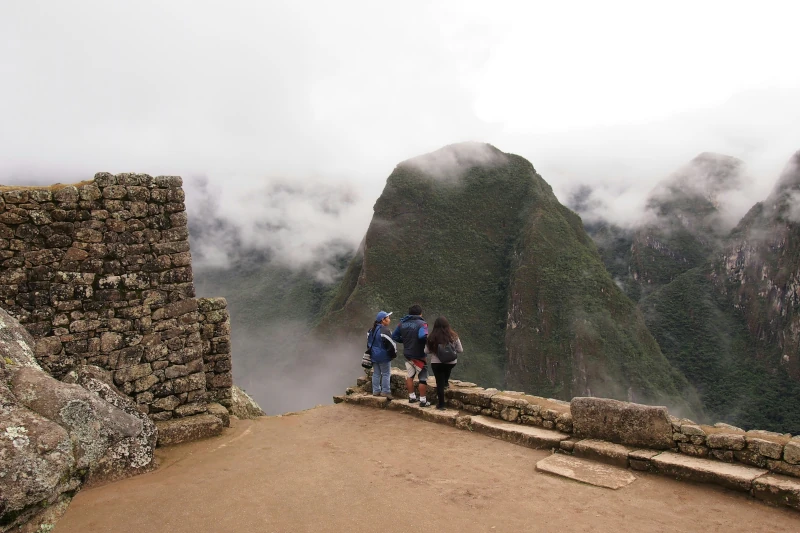
Everyone’s ideal hiking experience is different. Some prioritize clear, sunny days, while others seek quieter trails and vibrant landscapes. Reflect on what elements are most important to you, whether it’s the weather, the number of fellow hikers, or the opportunity for unique photographic moments.
Practical factors such as work schedules, budget, and availability of permits can also influence your decision. Planning well in advance allows for greater flexibility and the ability to align your trek with both your personal preferences and these logistical considerations. Thorough preparation ensures a smoother and more enjoyable hiking experience.
Planning your hike involves more than just choosing the right time of year. Here are some crucial tips to ensure a successful journey. These suggestions will help you prepare for the physical, logistical, and cultural aspects of your trek, ensuring you make the most of your adventure.
Permits for the Inca Trail are limited and in high demand, especially during the dry season. It’s essential to book your trek several months in advance to secure a spot. Early booking not only guarantees your place on the trail but also provides ample time to plan the rest of your trip, from flights to accommodations.
Altitude sickness is a common concern for hikers on the Inca Trail. Spend a few days in Cusco or the Sacred Valley before your trek to acclimatize and prepare your body for the high altitudes. Engaging in light activities during this time can help your body adjust and reduce the risk of altitude-related issues.
Packing the right gear is crucial for a comfortable hike. Essentials include sturdy hiking boots, layered clothing, rain gear, trekking poles and a good-quality backpack. Don’t forget a camera to capture the stunning landscapes! Additionally, pack snacks to keep your energy levels up and a water purification system to ensure you stay hydrated.
While it’s possible to hike the Inca Trail independently, hiring a guide or joining a guided tour can enhance your experience. Guides provide valuable insights into the history and culture of the region and ensure that you stay on the right path. They can also offer support in case of emergencies and help navigate any language barriers.
The classic Inca Trail trek is typically completed in four days, covering approximately 26 miles. Here’s a breakdown of the typical itinerary. Understanding what to expect each day can help you prepare mentally and physically for the journey ahead.
The journey begins with a drive from Cusco to the trailhead at Km 82. The first day involves a moderate hike to the campsite at Wayllabamba, offering a gentle introduction to the trail. This day allows you to acclimate to the trail’s pace and take in the initial sights and sounds of the Andes.
This is the most challenging day, with a steep ascent to Dead Woman’s Pass, the highest point on the trail. The effort is rewarded with breathtaking views before descending to the campsite at Pacaymayo. Prepare for a physically demanding day by pacing yourself and taking regular breaks to enjoy the scenery.
Day three involves exploring Inca ruins and traversing diverse landscapes. The day ends at the Wiñay Wayna campsite, providing a final night under the stars before reaching Machu Picchu. Take time to appreciate the rich history and natural beauty that surrounds you as you journey through these ancient paths.
The final day is an early start, hiking to the Sun Gate for a stunning sunrise view of the Machu Picchu mountain. If you prefer you can hike to the mountain of Huayna Picchu. After exploring the ancient city, you’ll return to Cusco by train. This day is the culmination of your trek resting at the town of Aguas Calientes. You will be rewarded with sense of accomplishment and the chance to explore one of the world’s most iconic archaeological sites.
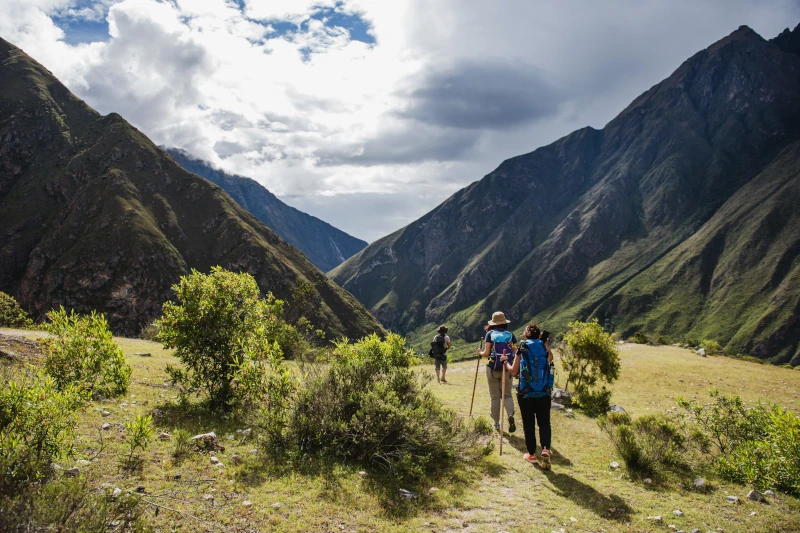
Deciding the best time to hike the Inca Trail is a balance between weather conditions, personal preferences, and logistical considerations. Whether you choose the bustling dry season or the tranquil wet season, the Inca Trail offers an unforgettable journey through history and nature. With proper planning and preparation, your trek to Machu Picchu will be a highlight of any travel adventure. Happy hiking!
