The Sacred Valley, or “Valle Sagrado,” is a sprawling expanse that stretches from Pisac to Ollantaytambo, nestled between the ancient city of Cusco and the iconic Machu Picchu. This fertile area, nourished by the Urubamba River, was once the heart of the Inca Empire, serving as a vital agricultural hub. Today, it remains a testament to the rich cultural heritage of Peru, offering visitors a blend of history, spirituality, and natural beauty.

The Cultural significance of Cusco’s Sacred Valley goes beyond the picturesque landscapes; it was a crucial center for the Inca civilization. The fertile lands were used for cultivating crops that sustained the empire. The sophisticated agricultural terraces of the valley are a testament to the ingenuity of the Inca engineers who transformed the rugged terrain into productive farmland. The valley also served as a spiritual center, with many religious sites where the Incas worshipped their gods.
Aside from its historical importance, the Sacred Valley is home to a diverse range of flora and fauna. The varying altitudes and climates within the valley create unique ecosystems, supporting different species of plants and animals. The lush greenery and vibrant wildlife make it a paradise for nature lovers and eco-tourists. The river itself is a lifeline, providing water and nutrients that sustain the valley’s biodiversity.
The Sacred Valley is inhabited by indigenous communities who have preserved their traditional way of life despite modern influences. These communities offer a glimpse into the past, showcasing their customs, languages, and crafts that have been passed down through generations. Engaging with these communities provides a deeper understanding of the region’s cultural richness and the resilience of its people in maintaining their heritage.

Cusco, the former capital of the Inca Empire, is the perfect starting point for your journey. As you wander through its cobblestone streets, you’ll encounter a unique blend of Inca and Spanish colonial architecture. Visit the Plaza de Armas, the heart of the city, where you can explore the majestic Cusco Cathedral and the Church of the Society of Jesus. Don’t miss the chance to wander through the vibrant San Pedro Market, where the local flavors and colors will ignite your senses.
Cusco’s architecture tells the story of its rich history. The city’s buildings are a unique blend of Inca stonework and Spanish colonial structures. The walls of many colonial buildings rest on original Inca foundations, showcasing the skillful masonry of the Incas. Walking through Cusco is like stepping into a living museum, where every corner holds a piece of history waiting to be discovered.
Cusco is not just about its architecture; it’s a hub of cultural activities. The city is alive with festivals, music, and dance that reflect the vibrant spirit of its people. Visitors can partake in traditional Andean ceremonies or enjoy the colorful parades that fill the streets during festival times. These cultural experiences offer a unique insight into the traditions and customs that define the rich history of Cusco.
Cusco is also an important culinary destination in Peru, offering a variety of traditional dishes that tantalize the taste buds. From hearty Andean stews to deliciously grilled meats, the local cuisine is a fusion of indigenous ingredients and Spanish influences. The San Pedro Market is a great place to sample local delicacies and experience the vibrant food culture of the region. Don’t miss trying the famous Peruvian dish, ceviche, or the traditional Inca beverage, chicha.
Your first stop in the Sacred Valley should be Pisac, a charming town known for its impressive Inca ruins and bustling market. The Pisac Archaeological Park, perched high above the town, offers breathtaking views of the valley below. Here, you’ll find terraced hillsides, ceremonial baths, and ancient tombs that provide a glimpse into the sophisticated engineering and spiritual practices of the Incas.
The Pisac ruins are a marvel of Inca engineering, with terraces that cascade down the mountainside. These terraces were used for agriculture, maximizing the arable land in the steep Andean terrain. The site includes a temple complex, residential areas, and ceremonial baths, each offering insights into the daily and spiritual lives of the Incas. Exploring these ruins is like walking through a history book, with each structure telling its own story.
After exploring the ruins, immerse yourself in the vibrant Pisac Market, where local artisans sell handmade crafts, textiles, and jewelry. The market is a sensory experience, with stalls brimming with colorful fabrics, intricate silverwork, and vibrant pottery. It’s the perfect place to pick up a unique souvenir or simply enjoy the lively atmosphere. The market also offers a chance to interact with local artisans and learn about their craft.
Pisac is also known for its traditional festivals, which are a highlight for visitors. The town comes alive with music, dance, and colorful costumes during these celebrations. Festivals often include parades and religious ceremonies, offering a unique glimpse into the spiritual and cultural traditions of the region. Participating in these festivals is a memorable experience, allowing visitors to connect with the local culture on a deeper level.
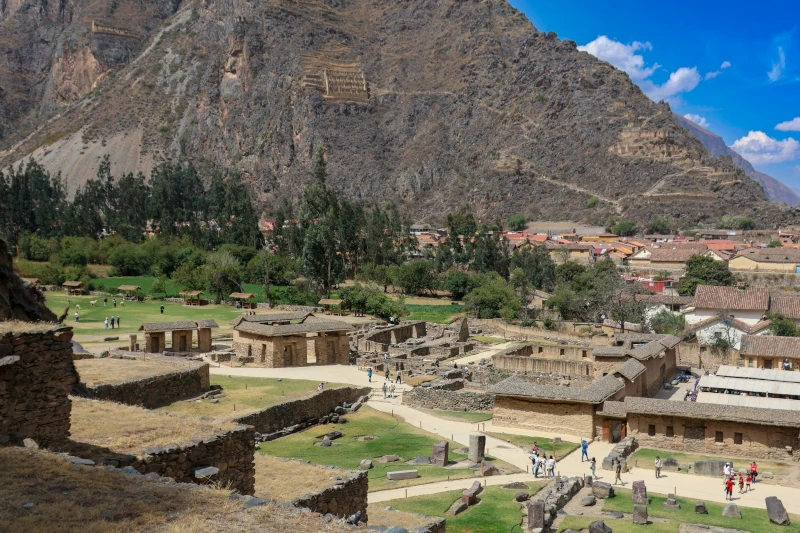
Continue your journey to Ollantaytambo, a town that feels like stepping back in time. This “living Inca town” is one of the best-preserved examples of Inca urban planning, with its narrow streets and original stone buildings still in use today. The Ollantaytambo Archaeological Site, a formidable fortress and religious center, offers a fascinating look at Inca architecture and military strategy. It is also connected with Machu Picchu, the place where the train starts its journey to the UNESCO world heritage site.
The Ollantaytambo Archaeological Site is a testament to the Inca’s architectural prowess. The fortress, with its massive stone terraces and intricate water channels, showcases the advanced engineering skills of the Incas. It is believed to have served as a military stronghold and ceremonial center, providing strategic views of the valley. It is commonly the starting point for people going to Machu Picchu by train or inca trail trek.
Ollantaytambo holds a special place in Inca history, not only for its architecture but also for its cultural importance. It was the site of one of the few successful defenses against Spanish forces during the Conquest. This legacy of resistance adds a layer of historical depth to the town, making it a symbol of Inca resilience. Visitors can explore the town’s rich history through guided tours and museum exhibits.
The Sacred Valley is not just about ancient ruins; it’s a vibrant region where traditional Andean culture is alive and thriving. Engage with local communities to gain a deeper understanding of their way of life and traditions.
Visit the town of Chinchero, often referred to as the birthplace of the rainbow. Here, you’ll have the opportunity to witness traditional Andean weaving techniques that have been passed down through generations. Local weavers demonstrate the intricate process of creating vibrant textiles using natural dyes and alpaca wool. This hands-on experience offers a unique insight into the cultural heritage of the Andean people.
In Chinchero, weaving is not just a craft; it’s an integral part of cultural identity. The weavers use ancient techniques, spinning and dyeing alpaca wool with natural ingredients sourced from the surrounding environment. The patterns and colors in the textiles often hold symbolic meanings, telling stories of the weavers’ ancestry and the landscape they inhabit. Observing this intricate process is a journey into the heart of Andean culture.
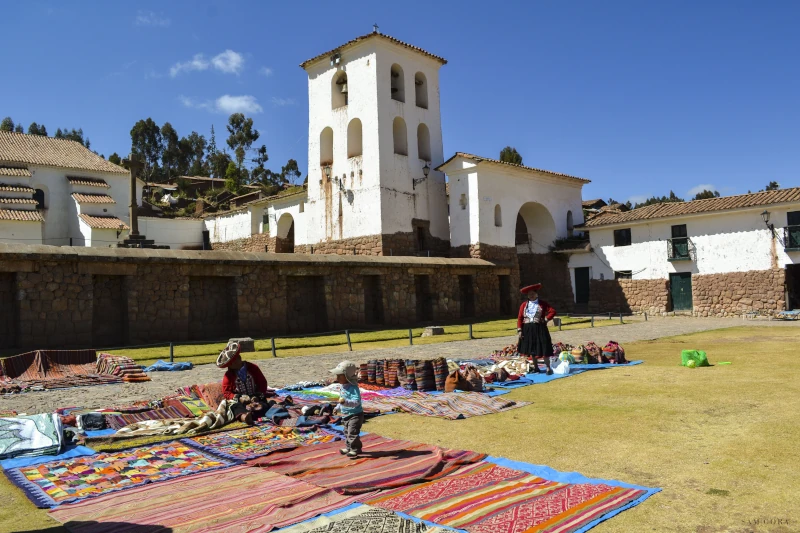
The weaving communities in Chinchero often operate as cooperatives, where artisans work together to preserve their craft and support one another. Visitors can engage with these communities, learning about the cooperative model that promotes fair trade and sustainable practices. This interaction offers a deeper understanding of the social dynamics and the role of traditional crafts in supporting local economies.
For an off-the-beaten-path adventure, head to the salt mines of Maras and the circular terraces of Moray. The Maras salt pans, in use since Inca times, are a dazzling sight with their thousands of salt pools glistening in the sun. Meanwhile, the Moray archaeological site showcases a series of terraced depressions that were likely used for agricultural experiments. These sites provide a fascinating look at the ingenuity of the Inca civilization.

The salt mines of Maras are a unique geological feature, with thousands of terraced ponds that produce salt through evaporation. The process has been in use since Inca times, and the salt harvested here is renowned for its purity and quality. Walking through the labyrinth of ponds is a mesmerizing experience, with the sun casting reflections off the crystalline salt surfaces. Visitors can learn about the traditional methods of salt production and even purchase some to take home.
Moray is often referred to as an Inca agricultural laboratory due to its concentric terraces, each with its own microclimate. The site is believed to have been used for agricultural experimentation, allowing the Incas to study the effects of different environmental conditions on crops. Exploring Moray offers a glimpse into the scientific knowledge and agricultural practices of the Incas. The site is not only an archaeological wonder but also a testament to the innovation of the Inca civilization.
Both Maras and Moray illustrate the advanced agricultural techniques employed by the Incas. These sites highlight the importance of agriculture in sustaining the empire and showcase the ingenuity of the Incas in overcoming environmental challenges. Visiting these sites provides a deeper appreciation for the sophisticated systems developed by the Incas and their lasting impact on modern agriculture.

Navigating the Sacred Valley can be an adventure in itself. The region offers a variety of transportation options, from local buses to private Sacred Valley tours. Hiring a knowledgeable guide can enhance your experience, providing insights into the history and culture of each site you visit. Guides can also help navigate the language barrier and provide access to lesser-known areas, ensuring a comprehensive exploration of the valley.
Timing your visit to the Sacred Valley is crucial for maximizing your experience. The dry season, from May to September, offers the best weather for exploring the outdoor sites. During this time, the skies are clear, and the landscapes are lush, making it ideal for photography and outdoor activities. However, it’s also the peak tourist season, so planning ahead and booking accommodations early is recommended.
For photographers, the Sacred Valley is a dream come true. From the golden light illuminating the terraced hillsides to the vibrant colors of the local markets, there is no shortage of captivating scenes. Here are a few tips for capturing the essence of the Sacred Valley:
The Sacred Valley of the Urubamba River is a destination that promises both adventure and enlightenment. Whether you’re seeking historical landmarks, cultural immersion, or photographic inspiration, this mystical journey will leave you with memories to last a lifetime. So pack your bags, embrace the spirit of exploration, and let the Sacred Valley unveil its secrets to you.
Traveling through the Sacred Valley is more than just a journey; it’s an exploration of history, culture, and nature. Each site you visit offers a unique perspective on the Inca Empire and the vibrant communities that continue to thrive in the region. Embrace the opportunity to learn, discover, and connect with the past and present of this enchanting destination.