
Welcome to the Sacred Valley of the Incas, an extraordinary region where history breathes through every mountain pass and ancient tradition flows like the rushing waters of the Urubamba River. This remarkable valley, known locally as the Sacred Valley, represents one of Peru’s and South America most treasured archaeological and cultural landscapes, offering visitors an unparalleled journey through time in the heart of the Andes Mountains.
The Sacred Valley stretches majestically from the vibrant indigenous market town of Pisac to the world-renowned ancient citadel of Machu Picchu. Located at 2800 mts above sea level. This is a corridor of living history that spans over 60 kilometers of diverse terrain.
This sacred corridor was once the agricultural and spiritual heartland of the mighty Inca Empire. Today it continues to pulse with the rhythms of Quechua-speaking communities who maintain ancestral traditions that have endured for centuries.
For modern travelers with a deep curiosity about the past and an insatiable thirst for authentic adventure. The Sacred Valley presents a unique and transformative window into the sophisticated world of the ancient Incas. Here, terraced mountainsides tell stories of ingenious agricultural innovations. While fortress temples like Ollantaytambo and Sacsayhuamán demonstrate architectural mastery that continues to baffle engineers and archaeologists alike.
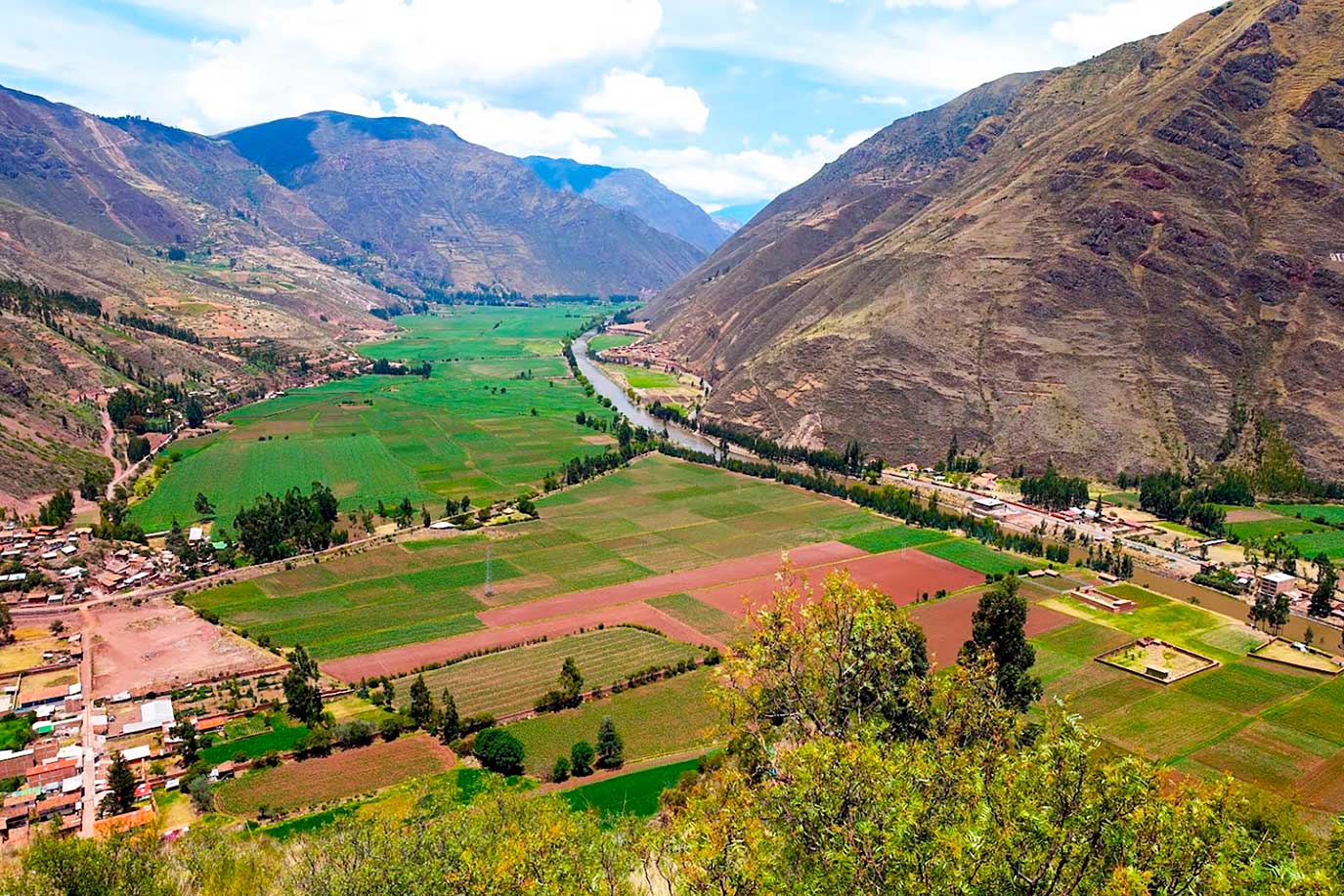
The Sacred Valley is a tapestry of historical wonder and cultural richness. In fact a treasure trove of hidden gems that reflect the ingenuity and spirit of the Incan civilization. Each town and site within the valley tells a story of a time gone by, yet remains vibrantly alive in its traditions and practices.
On the other hand, people used to come to the sacred valley to get accustomed to the altitude. Before visiting Machu Picchu or making an inca trail.
Pisac is often the first stop for travelers exploring the Sacred Valley. Known for its vibrant market and impressive inca ruins, Pisac offers a blend of cultural richness and bustling commerce. The market is a kaleidoscope of colors, where local artisans sell everything from handwoven textiles to intricate jewelry. It’s a perfect spot for photographers to capture the essence of Andean culture.
The Pisac ruins, perched high on a hill, provide a glimpse into the architectural prowess of the Incas. The agricultural terraces carved into the mountainside were used for agriculture, showcasing the Incas’ advanced understanding of farming techniques. For the academic researcher, Pisac offers a case study in sustainable agriculture and ancient engineering.
Beyond its market and ruins, Pisac is a community that thrives on its cultural heritage. The town hosts festivals throughout the year. Where traditional dances and music echo through the streets, inviting visitors to partake in its rich cultural tapestry. Engaging with the locals during these festivals can provide deeper insights into their customs and traditions, offering a more immersive experience.
Chinchero is a quaint village known for its vibrant weaving traditions. Here, you can witness traditional weaving techniques passed down through generations. Visiting a weaving cooperative provides an opportunity to interact with local artisans and learn about the intricate process of creating Andean textiles.
For the freelance photographer, Chinchero offers stunning vistas of the valley and the chance to capture the vibrant patterns and colors of the weavings. The cultural significance of Chinchero lies in its preservation of traditional crafts. This is a vital stop for those interested in cultural heritage.
Chinchero’s significance extends beyond its weaving. The village is home to ancient Inca walls and a colonial-era church, which stands as a testament to the melding of cultures that have shaped the region. Exploring these sites offers a glimpse into the historical layers that define Chinchero, making it a microcosm of Peru‘s rich history.
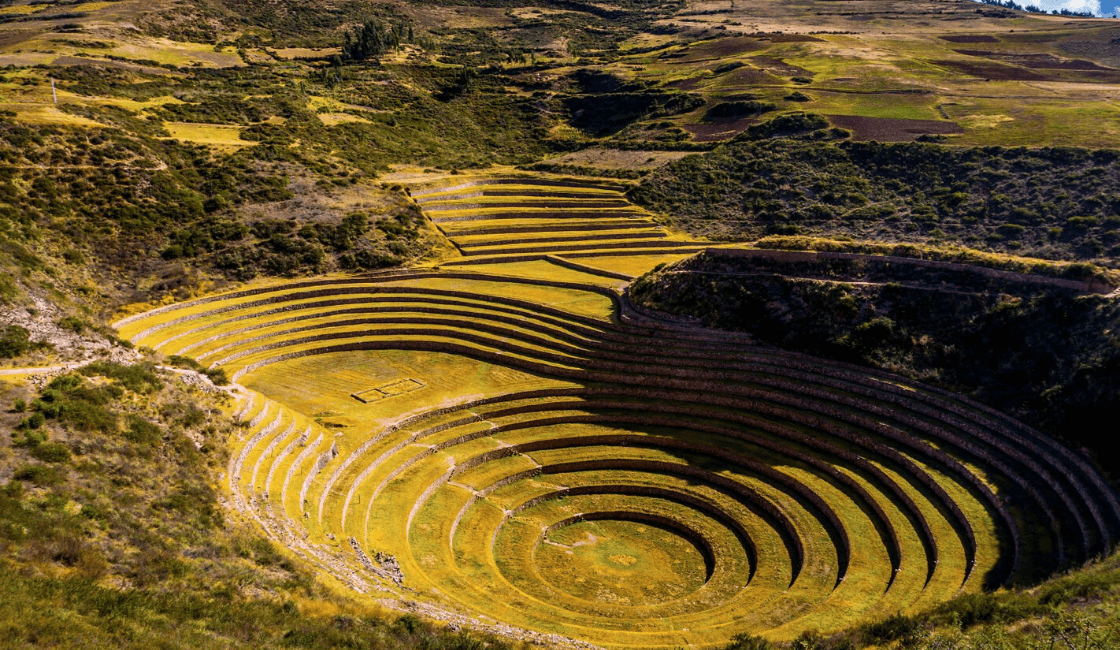
Moray is one of the most intriguing sites in the Sacred Valley. Often referred to as an agricultural laboratory, Moray consists of circular terraces that descend into the earth. These terraces create microclimates, allowing the Incas to experiment with different crops. This site offers fascinating insights into Incan innovation and agricultural practices.
For the academic researcher, Moray provides a tangible connection to ancient farming techniques and environmental adaptation. It’s a place where you can ponder the ingenuity of the Incas while surrounded by the beauty of the Peruvian landscape.
The circular terraces of Moray are not only an agricultural wonder but also an architectural masterpiece. The precision with which these terraces were constructed speaks volumes about the Incan’s advanced engineering skills. Walking through Moray, one can’t help but be amazed at the strategic planning that went into creating such an innovative agricultural hub.
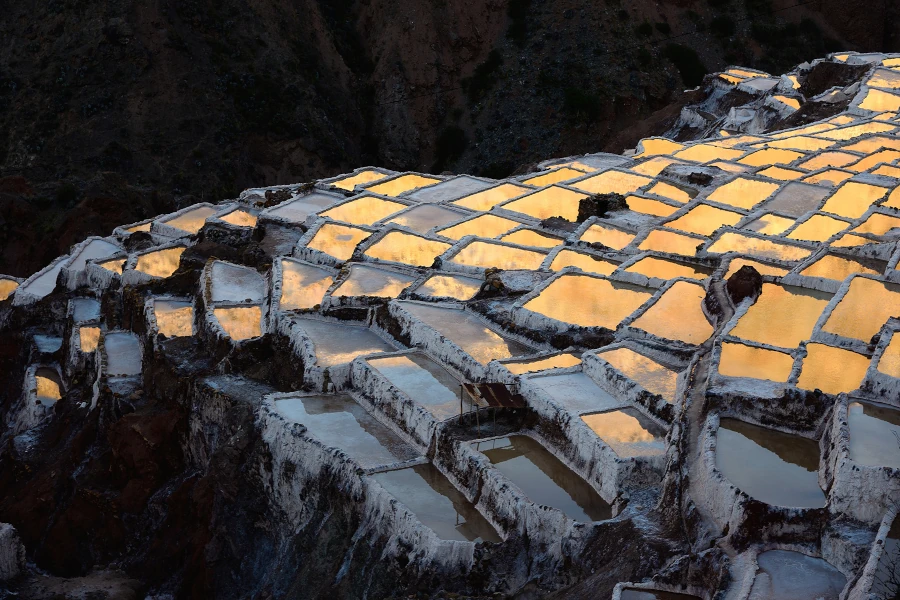
Just a short drive from Moray, you’ll find the salt mines of Maras. These terraced pools have been used for salt extraction since pre Inca times. The sight of thousands of salt ponds glistening in the sun is nothing short of spectacular.
For photographers, Maras offers a unique opportunity to capture striking contrasts and patterns. The cultural significance of Maras lies in its continuity of tradition, as local families have harvested salt here for centuries.
Beyond the visual spectacle, the salt mines of Maras are an enduring symbol of sustainable resource management. The techniques used by local families to harvest salt have remained largely unchanged. We encounter a harmonious balance between human activity and environmental stewardship. Visiting Maras is not just a journey into the past, but a lesson in sustainable living.
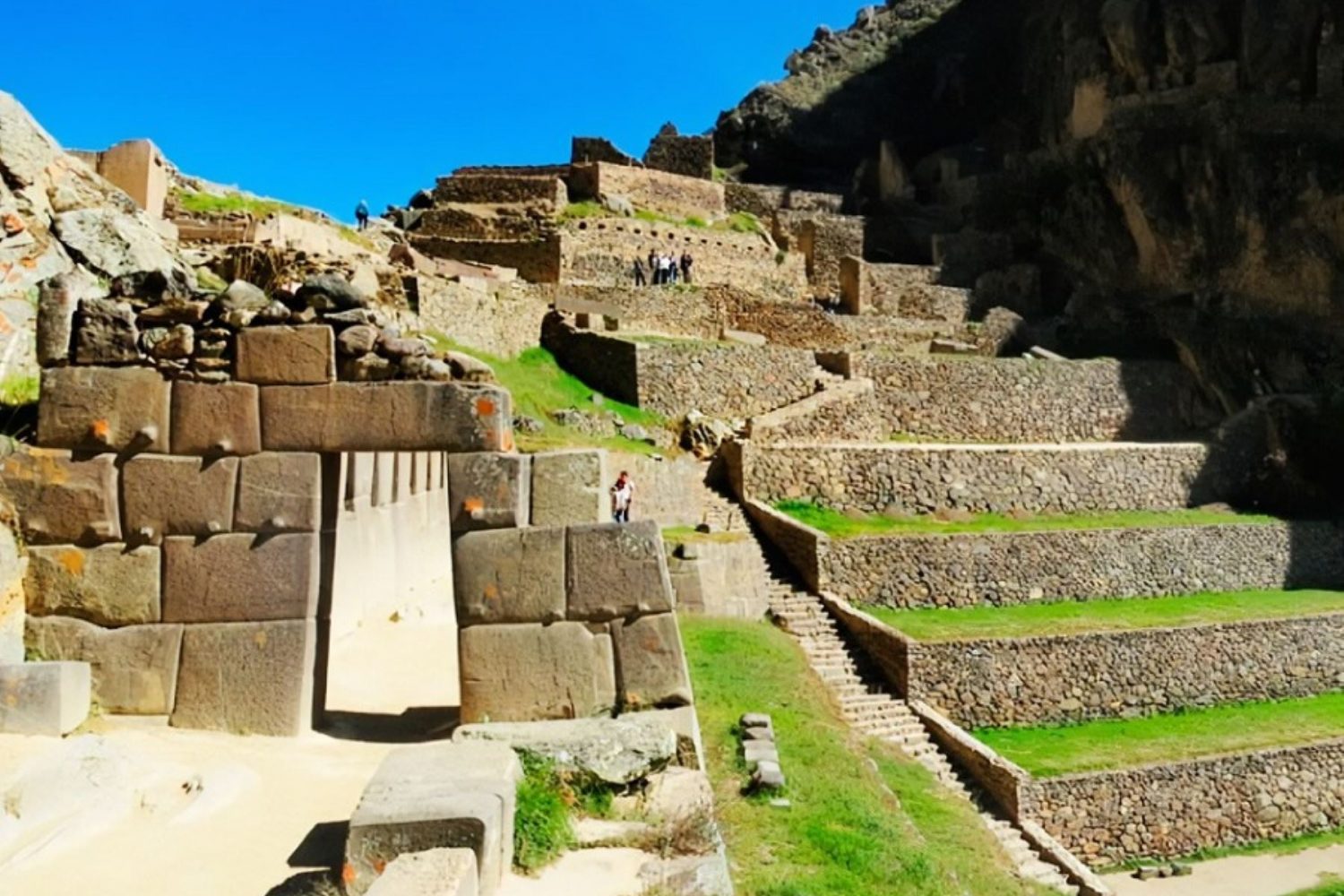
Deep within the Sacred Valley of the Incas stands Ollantaytambo, a remarkable archaeological site that serves as both a testament to Inca engineering prowess. This is a living example of indigenous resilience. This ancient fortress town, strategically positioned at the northwestern end of the Sacred Valley. This place represents one of the most complete and well-preserved examples of Inca urban planning still inhabited today.
Ollantaytambo’s significance within the Sacred Valley extends far beyond its impressive inca terraces and temple complexes. This extraordinary site served as a royal estate for Inca Pachacuti and later became the last stronghold of Inca resistance against Spanish conquest.
The town’s strategic location at the confluence of the Patakancha and Urubamba rivers made it a crucial control point for access to the lower jungle regions. While its elevated position provided commanding views across the entire Sacred Valley.
The archaeological complex of Ollantaytambo showcases some of the most sophisticated stonework found anywhere in the Sacred Valley. The Temple of the Sun, perched dramatically on the mountainside, features massive pink granite blocks that were quarried from a mountain six kilometers away and transported across the valley floor and up the steep hillside. Their techniques and knowledge continue to mystify modern engineers.
What makes Ollantaytambo truly unique within the Sacred Valley is its status as a living Inca town. Unlike other archaeological sites in the region, the original street layout designed by Inca architects continues to function today.
Exploring the Sacred Valley requires a thoughtful approach to make the most of its cultural and historical offerings. Most of the experience can be done in a one day tour. Whether you’re a time strapped executive or a leisurely traveler. In fact these practical tips will help you navigate the valley with ease.
To make the most of your visit to the Sacred Valley, careful planning is essential. For the corporate executive with limited time, consider a guided tour that covers the highlights efficiently. Best option to enjoy the experience is to take a sacred valley tour. These tours often include transportation, which can save time and reduce stress.
For the freelance photographer, allow extra time at each location to capture the perfect shot. Early mornings and late afternoons provide the best lighting for photography.
For academic researchers, consider reaching out to local guides who can offer deeper insights into the cultural and historical significance of each site.
Creating a balanced itinerary involves more than just selecting the sites to visit. Consider the time of year when planning your trip, as festivals and cultural events can enhance your experience. Additionally, understanding the local customs and traditions can enrich your journey, allowing for more meaningful interactions with the people of the Sacred Valley.
Traveling through the Sacred Valley is relatively straightforward, with various transportation options available. Buses and colectivos (shared vans) are the most common modes of transport. For a more personalized experience, hiring a private driver can be a worthwhile investment, especially if you’re on a tight schedule.
Navigating the valley also involves understanding the geography and climate. The weather can vary significantly between sites, so packing appropriately is crucial. Comfortable walking shoes and layers of clothing will ensure you’re prepared for the valley’s diverse climate and terrain, making your exploration more enjoyable.
The Sacred Valley offers a range of accommodations, from luxury hotels to charming hostels. For those seeking a premium experience, consider staying in one of the valley’s upscale lodges. Then you find stunning views and top notch amenities.
Dining in the Sacred Valley is a treat for the senses. Be sure to try local dishes such as cuy (guinea pig) and pachamanca, a traditional Peruvian feast cooked underground. For the culinary adventurer, the valley’s food scene provides a delicious exploration of Andean flavors.
When choosing accommodations, consider their proximity to the sites you plan to visit. This facilitates going on day trips easily. Some lodges offer unique experiences such as guided hikes or culinary tours, adding an extra layer of immersion to your stay. Similarly, dining in local eateries not only supports the community but also offers authentic tastes of the region’s culinary heritage.
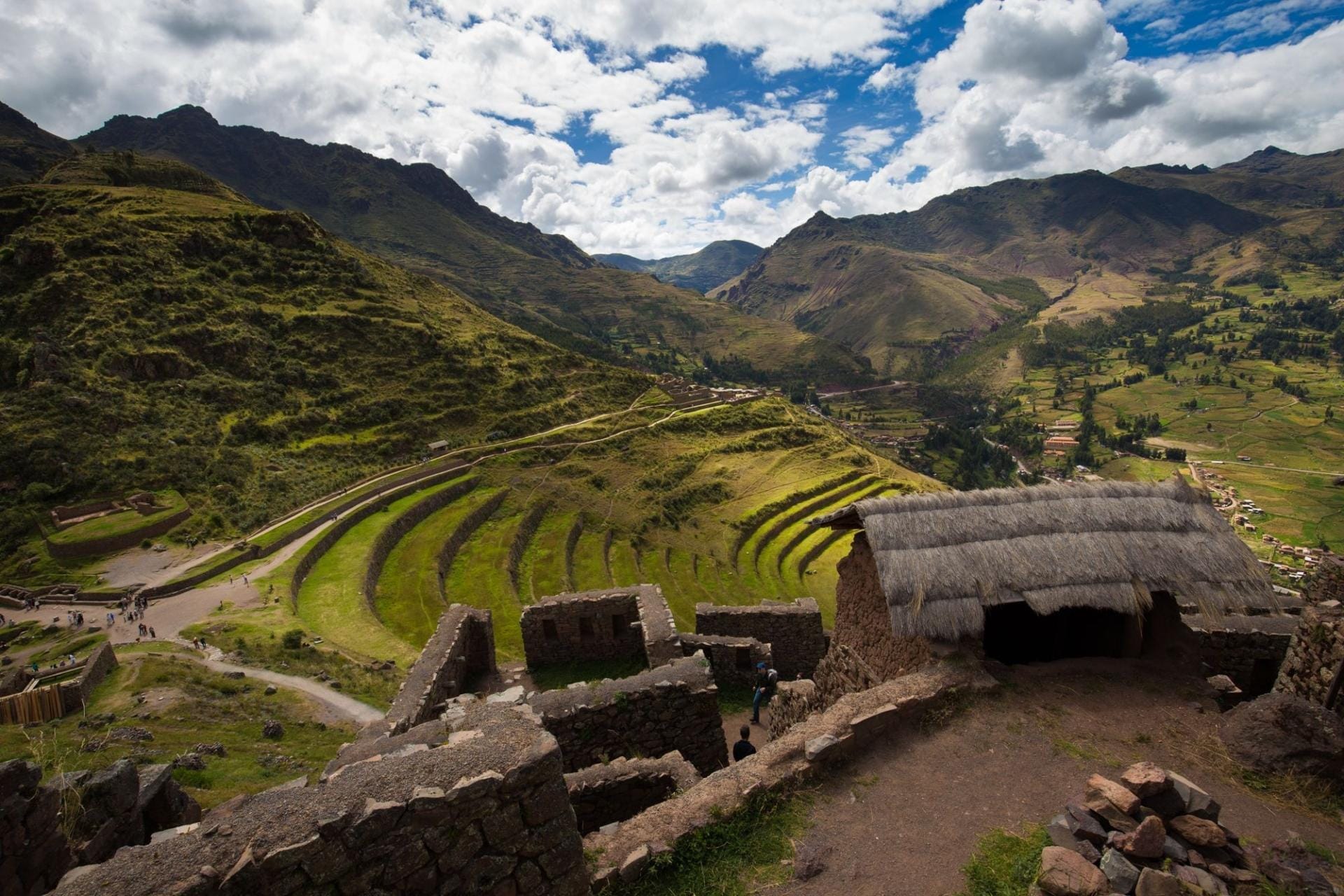
The Sacred Valley is more than just a collection of historical sites. It’s a rich cultural heritage of the Andes. By exploring this region, you gain a deeper understanding of the Incan civilization and the traditions that continue to thrive today.
Whether you’re capturing the vibrant colors of Pisac’s market, pondering the agricultural innovations at Moray, or simply soaking in the breathtaking landscapes. The Sacred Valley is an unforgettable journey through time and culture.
Immersing yourself in the Sacred Valley’s cultural significance involves engaging with its people and their stories. Each interaction, whether through a conversation, a shared meal, or participation in a festival, enriches your experience. The visitor gets a more profound connection to the valley’s living heritage. Embrace the opportunity to learn from the guardians of this ancient land and carry their stories with you.
Pack your bags, bring your curiosity, and immerse yourself in the cultural significance of Cusco‘s Sacred Valley.
