
To understand the symbolism of the Inca Empire flag, it’s essential to delve into the history of the Inca civilization. The Inca Empire, which flourished between the 15th and 16th centuries, was the largest empire in pre-Columbian America. Its capital, Cusco, was the heart of the empire, and the Sacred Valley was a vital region for agriculture and spirituality.
The Inca Empire originated from a small highland tribe in the Cusco area. Through strategic alliances, military conquests, and innovative governance, the Incas expanded their territory across much of western South America. Moreover this expansion was not only a testament to their military prowess but also their ability to integrate diverse cultures and communities into a cohesive empire.
The Inca society was highly organized, with a structured hierarchy led by the Sapa Inca, who was considered a living god. The empire was divided into regions known as “suyus,” each governed by local leaders under the central authority of Cusco. Consequently this system allowed for efficient administration and resource distribution, ensuring the empire’s stability and prosperity.
The Incas were renowned for their architectural and engineering feats, such as Machu Picchu and the intricate road networks that connected the empire. In fact their agricultural terraces and irrigation systems demonstrated advanced understanding of environmental engineering. Nerver the less these achievements not only supported a large population but also underscored the Incas’ deep connection to the land.
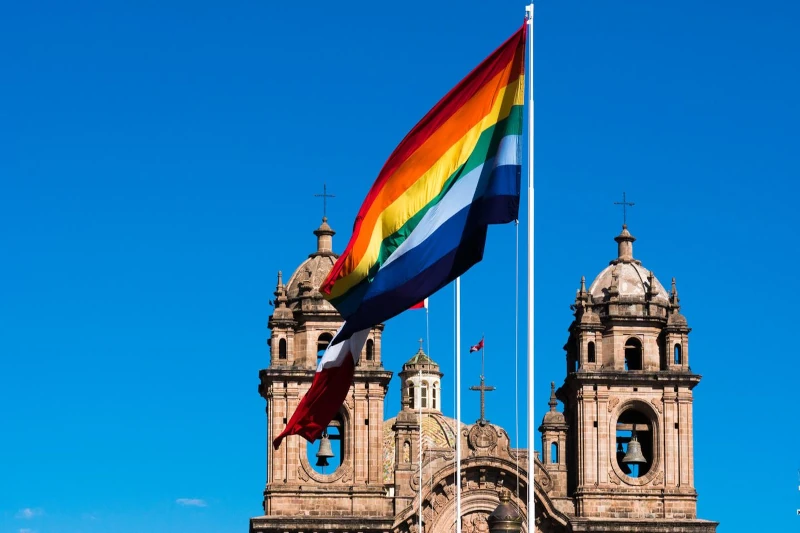
The flag commonly associated with the Inca Empire is often referred to as the “Flag of Cusco” or the “Rainbow Flag.” It is a colorful banner featuring horizontal stripes of different colors, similar to a rainbow. Although there is no concrete evidence that the Inca Empire used a flag, the rainbow flag has become an emblem of Andean identity and pride.
While there is debate about the flag’s historical use, its modern-day association with the Inca Empire is undeniable. Therefore the concept of a flag as a symbol of a nation or culture is a relatively modern development, but the vibrant colors of the Cusco flag resonate deeply with Andean identity, representing continuity with the past.
The adoption of the rainbow flag in Cusco and the broader Andean region can be traced back to the 1970s. It was during this period that the flag gained popularity as a symbol of indigenous pride and cultural resurgence. In fact its colorful stripes became a visual representation of the diversity and richness of Andean culture.
In contemporary times, the rainbow flag of Cusco is embraced as a symbol of cultural identity and heritage. It is flown during festivals and public events, serving as a reminder of the Inca Empire’s enduring legacy. Despite its debated origins, the flag embodies a sense of unity and pride among the Andean people.
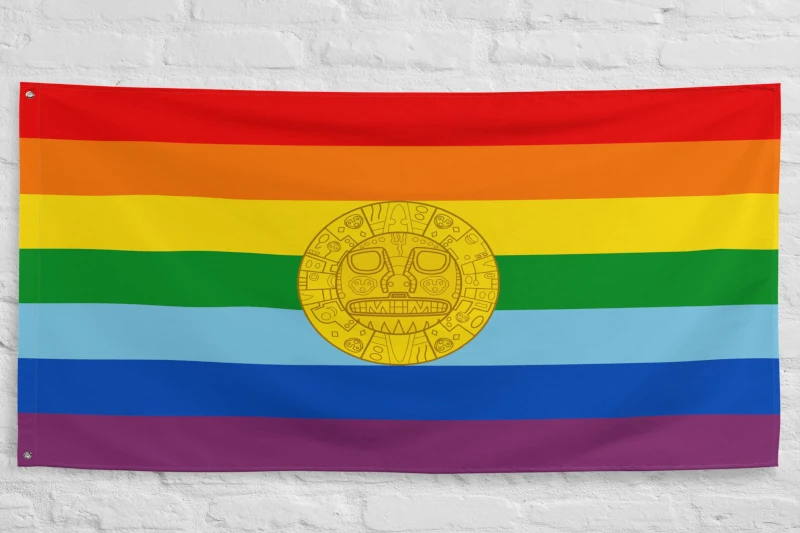
The flag’s colors are said to represent various aspects of Andean culture and the natural world. Each color holds a specific meaning, symbolizing different elements of the Inca civilization:
Red represents the earth and the blood of the Inca people. Moreover it signifies strength and vitality. This color is a nod to the resilience and determination of the Inca civilization, which thrived in the harsh Andean environment and persevered through numerous challenges.
Orange symbolizes society and culture. In fact reflects the creativity and unity of the Inca community. Also the Incas were known for their vibrant festivals and communal activities, which fostered a strong sense of identity and cohesion among their people.
Yellow represents energy and the sun. While the sun was a central deity in Inca religion, known as Inti. The color yellow underscores the importance of solar energy in agriculture and spiritual practices, highlighting the Incas’ reverence for celestial bodies.
Blue represents the sky and water. Consequently it signifies the importance of these elements in sustaining life. The Incas recognized the vital role of water in agriculture and daily life, developing sophisticated irrigation systems that ensured the prosperity of their society.
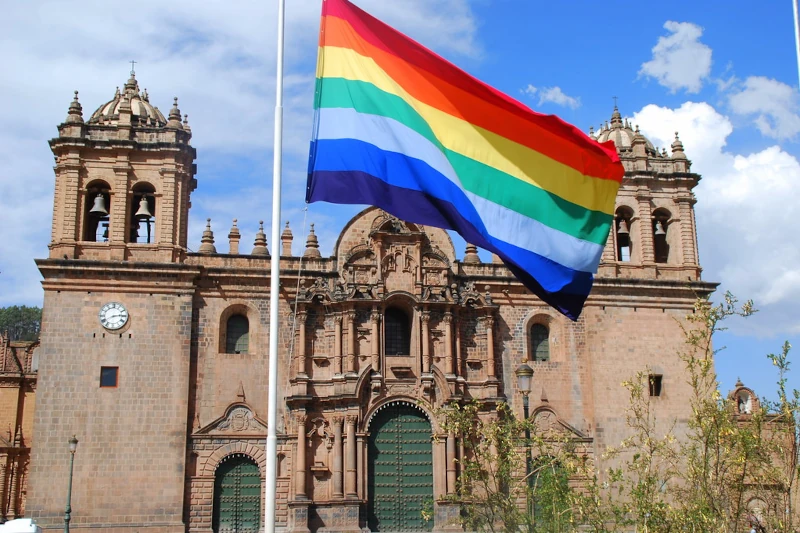
Cusco, the ancient capital of the Inca Empire, is a city steeped in history and culture. The flag’s association with Cusco is strong, as it is often seen flying in the city’s main square, the Plaza de Armas. The vibrant colors of the flag reflect the lively spirit of Cusco and its people.
Cusco was not only the administrative center of the Inca Empire but also a spiritual hub. It was considered the “navel of the world” by the Incas, a place where the divine and earthly realms intersected. The city’s architecture and urban layout reflect its sacred status, with temples and palaces that embody the empire’s grandeur.
The Sacred Valley, located near Cusco, is a region of immense spiritual importance. In fact the Incas believed it was a place where the heavens met the earth. The flag’s colors, representing various elements of nature and spirituality, resonate with the valley’s sacredness. Furthermore the valley’s landscape, with its majestic mountains and fertile lands, embodies the harmony between humanity and nature.
In contemporary times, the Inca Empire flag has become a symbol of indigenous pride and cultural identity. It is often used in protests and movements advocating for the rights of indigenous peoples in South America. Moreover the flag serves as a reminder of the rich heritage and enduring legacy of the Inca civilization.
The rainbow flag has been embraced by indigenous movements across South America as a powerful symbol of resistance and empowerment. In fact is a visual assertion of cultural identity, used in marches and demonstrations to demand justice, recognition, and rights for indigenous communities.
The flag’s symbolism has transcended regional boundaries, gaining recognition on the global stage. In fact is a reminder of the Inca Empire’s contributions to the rich history of Cusco and the resilience of indigenous cultures. As awareness of indigenous issues grows, the flag serves as a rallying point for solidarity and support.
Despite its cultural significance, the flag has been subject to debates and misconceptions. Some argue that the flag was not historically used by the Incas and that its association with the empire is a modern invention. However, its symbolic value and connection to Andean identity remain strong.
The similarities between the Inca flag and the LGBT rainbow flag have sparked discussions about cultural appropriation and misinterpretation. It is essential to recognize the distinct cultural contexts and meanings of each flag, respecting their unique significance to their respective communities.
The LGBT rainbow flag was designed in the 1970s by artist Gilbert Baker as a symbol of pride and diversity within the LGBTQ+ community. Each color of the LGBT flag represents different aspects of the community, celebrating inclusivity and acceptance. Moreover Inca flag’s colors, by contrast, are tied to the natural and spiritual world of the Andes.

Both flags can coexist as symbols of pride and identity for their respective communities. Respecting the unique cultural and historical contexts of each flag is essential in fostering mutual understanding and appreciation. Also celebrating diversity in all its forms is a testament to humanity’s rich tapestry.
Collaborative initiatives that bring together the Andean and LGBTQ+ communities can highlight shared values of pride, resilience, and identity. Additionally those efforts can foster dialogue and understanding, bridging cultural divides and promoting inclusivity.
The symbolism behind the Inca Empire flag is a testament to the rich cultural heritage of the Andean people. While its historical origins may be debated, its role as a symbol of pride and identity is undeniable. Whether flying in the vibrant streets of Cusco or at cultural festivals, the flag continues to inspire and unite those who cherish the legacy of the Inca Empire.
In understanding the flag’s symbolism, we gain insight into the values and beliefs of one of history’s most fascinating civilizations. The Inca Empire’s connection to nature, spirituality, and community is beautifully captured in the vibrant colors of its flag, reminding us of the enduring legacy of this remarkable culture. As we celebrate this legacy, we honor the resilience and spirit of the Andean people, whose history continues to inspire future generations.
