
Embarking on the Huayna Picchu hike is a must for anyone visiting Peru. This iconic trek is not only a physical challenge but also a journey through history and breathtaking landscapes. Whether you’re a corporate executive needing to relax, a freelance photographer chasing the perfect shot, or an academic researcher studying culture, the Huayna Picchu hike has something unique for everyone.
Huayna Picchu, also called “Young Peak,” is the tall mountain that stands behind the famous Incan citadel of Machu Picchu. Its steep, lush green slopes call out to adventurers and nature lovers alike. Huayna Picchu stands about 2,720 meters above sea level, offering an incredible view of the ancient ruins and surrounding valleys.
The geological formation of Huayna Picchu is a wonder in itself. Shaped by millions of years of tectonic activity, the mountain’s rugged terrain tells the story of Earth’s powerful forces. The granite peaks are remnants of volcanic activity, and the erosion patterns add to its mystical aura. Visitors often marvel at how such a natural structure could host such an advanced civilization as the Incas.
The biodiversity on Huayna Picchu is as rich as its history. The mountain slopes are decorated with orchids, bromeliads, and other unique plants, forming a colorful and vibrant landscape. Birdwatchers will spot hummingbirds and Andean condors soaring above, while the rare spectacled bear roams the forest. This natural beauty is an integral part of the hike’s appeal.
For the Incas, Huayna Picchu was more than just a strategic lookout; it held spiritual significance. The mountain held sacred cultural significance, serving as a connection between the heavens and the Earth. Today, hikers often feel a sense of peace and reflection at the top of Huayna Picchu, connecting with the energy that the Incas once honored. This spiritual aspect adds another layer of depth to the hiking experience.
Before setting off on this adventure, it’s essential to plan accordingly. Here’s a breakdown of everything you need to know:
The hike to the top of Huayna Picchu typically takes 1 to 2 hours, depending on how fast you go and your fitness level. The descent takes about the same time, so you should allocate around 3 to 4 hours for the round trip. Though short, the steep and narrow paths can be challenging, so a moderate level of fitness is necessary.
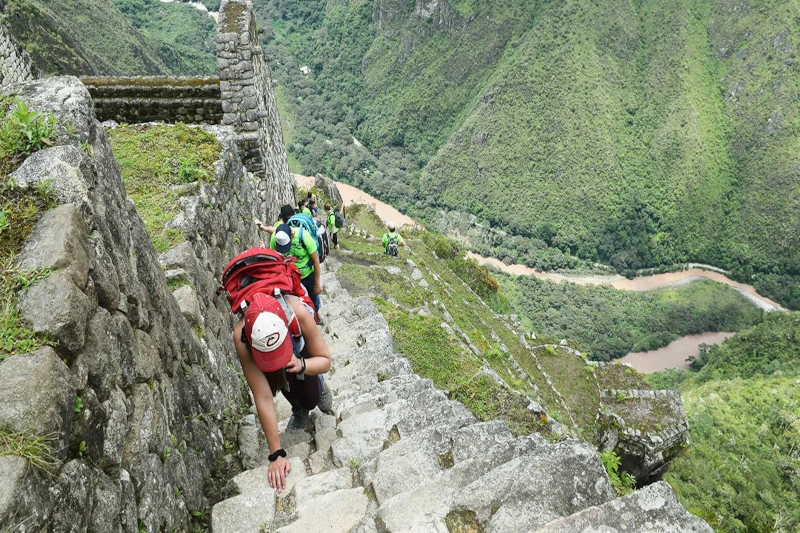
The trail to Huayna Picchu is rated moderate to challenging, with some sections requiring a bit of rock scrambling. The ascent involves navigating steep stone staircases, some of which are quite narrow and require careful footing. For those afraid of heights, some exposed areas might be challenging, but the reward makes it all worth it.
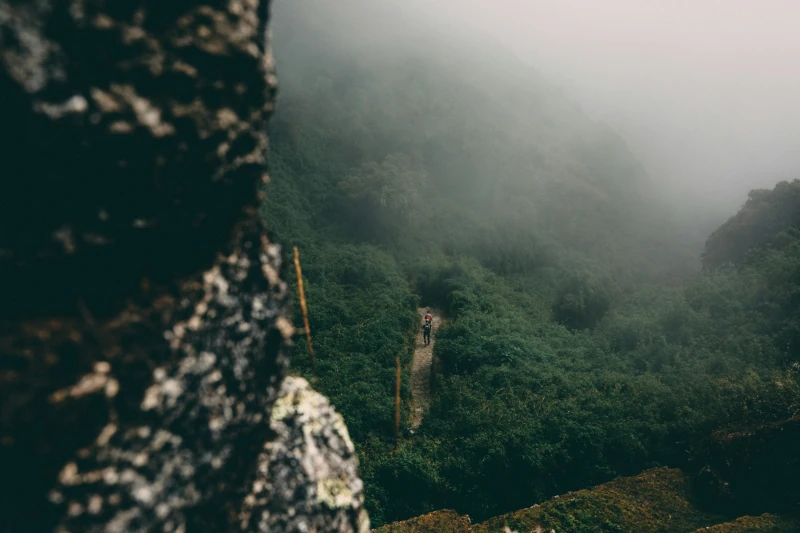
Altitude can be a significant factor for those not acclimated. At nearly 9,000 feet, you may experience shortness of breath or mild dizziness. It’s advisable to spend a few days in Aguas Calientes or the Sacred Valley before attempting the hike. Hydration and a slow, steady pace will help mitigate altitude sickness and ensure a more enjoyable trek.
Timing your start is crucial for a successful hike. Beginning early in the morning, around 7 AM, allows you to enjoy cooler temperatures and avoid the midday sun. Also, early hikers usually experience less crowded trails, giving them a quieter and more personal climb up Huayna Picchu.
Due to its popularity, entry to Huayna Picchu is limited to 400 hikers per day, split into two groups. Tickets for Huayna Picchu often sell out months in advance, so booking early is crucial. You can buy tickets for Machu Picchu online through the official government website or from a trusted travel agency.
Advance booking is essential to secure your spot on this coveted hike. The demand for tickets for Huayna Picchu is high, and they can sell out quickly, especially during peak travel seasons. Planning ahead guarantees your entry and helps you sort out other travel details, like where you’ll stay and how to get around, for a smooth trip.
The ticketing process can be a bit complex, as it involves several steps. Tickets for Huayna Picchu are often bundled with Machu Picchu tickets, so make sure to select the correct option. The two daily entrance slots, early morning and late morning, offer different experiences. The early slot gives quieter trails and cooler temperatures.
If booking through a travel agency, select one with a solid reputation and positive reviews. A reliable agency can simplify the ticketing process, offer expert advice on the hike, and even provide guided tours. This can enhance your overall experience, allowing you to focus on the adventure without worrying about logistical details.
Packing the right gear is vital for a comfortable and safe hike. Here’s a list of essentials:
Sturdy Hiking Shoes: The terrain can be slippery, so proper footwear is a must.
Lightweight Backpack: Carry water, snacks, and a rain jacket.
Sun Protection: Sunglasses, a hat, and sunscreen are necessary due to the high altitude.
Camera: Capture the stunning Huayna Picchu views and the mystical aura of Machu Picchu.
Dress in layers to accommodate varying temperatures throughout the hike. A moisture-wicking base layer, insulated middle layer, and waterproof outer layer will keep you comfortable. Trekking poles can provide stability on steep sections, while a small first aid kit can address minor injuries. Don’t forget a reusable water bottle to stay hydrated.
Bringing high-energy snacks is crucial for maintaining stamina. Nuts, dried fruits, and energy bars offer quick, efficient fuel. You can enjoy a small packed lunch at the summit of Huayna Picchu, but remember to carry all waste back down. Proper nutrition will sustain your energy levels and enhance your enjoyment of the hike.
For photographers, a lightweight tripod can be invaluable for capturing panoramic shots. Consider bringing a lens with a wide aperture to handle varying light conditions. Make sure to bring extra batteries and memory cards. You’ll want to capture the amazing views of Machu Picchu and the details of the Incan ruins.
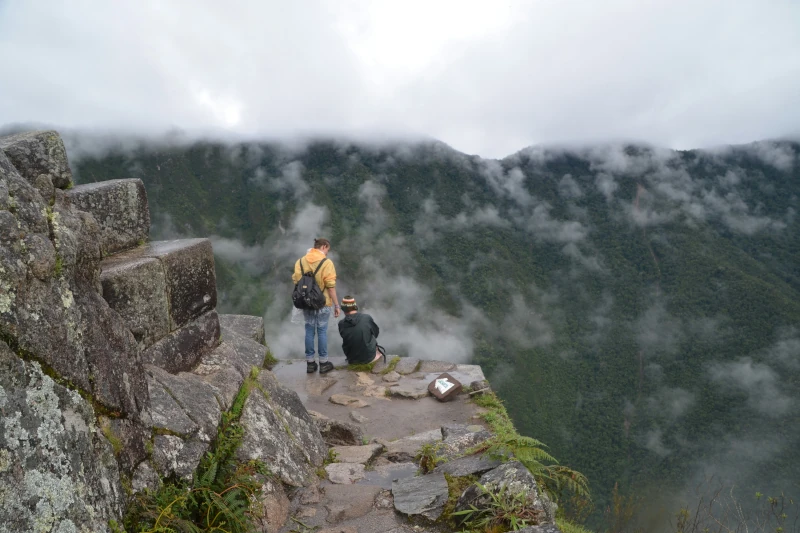
Once you reach the peak, you’ll be rewarded with awe-inspiring vistas that are well worth the effort. The views of Machu Picchu are amazing, giving you a unique look at the site’s layout and the nearby Andean peaks.
The summit of Huayna Picchu provides a 360-degree panorama of the breathtaking Andean landscape. From this vantage point, the sweeping valleys and soaring peaks unfold in every direction. The detailed terraces and temples of Machu Picchu seem carved into the mountain, showcasing the ingenuity of Incan architects. Photographers and nature lovers alike find endless inspiration in these views.
As you gaze down from the summit you’ll see the precision and ingenuity of Incan architecture. The citadel’s strategic design, with its terraces, aqueducts, and stairways, demonstrates a deep understanding of the natural environment. The Incas’ ability to mix their buildings with the mountain shows their amazing engineering skills and deep spiritual bond with the land.
The surrounding Andean peaks form a majestic backdrop to the Incan citadel. Each peak holds its own secrets and stories, contributing to the region’s mystique. The rugged, snow-capped mountains stand in stark contrast to the lush greenery below, creating a dramatic visual spectacle. This natural beauty is a constant reminder of the power and majesty of the Andean landscape.
The best time to hike Huayna Picchu is during the dry season, from May to September, when the weather is more predictable. We recommend early morning hikes to avoid crowds and enjoy a peaceful ascent.
Understanding local weather patterns will help you plan your trek more effectively. The dry season brings clearer skies and more stable weather, making the hike safer and more enjoyable. Temperatures can change a lot throughout the day, so be ready for varying climates as you climb the trail to Huayna Picchu.
To enjoy a more intimate experience, consider starting your hike as soon as the gates open. This allows you to beat the crowds and enjoy the tranquility of the mountain. An early start gives you more time to explore the summit of Huayna Picchu and enjoy the views before the midday crowd of tourists.
For those seeking a truly magical experience, timing your trek to coincide with sunrise can be unforgettable. Watching the first light illuminate the citadel and surrounding peaks is a sight to behold. The soft, golden light of dawn makes the perfect vibe for photographers who want to capture the area’s natural beauty.
The trail is steep and includes sections with exposure to heights, so it’s important to take your time and use handrails where available. Be mindful of the weather conditions, as rain can make the path slick and challenging.
Safety should always be a priority while navigating the pathways. The trail can be narrow and uneven, so maintaining balance and using handrails is essential. An early start gives you more time to explore the summit of Huayna Picchu and enjoy the views before the crowd of tourists arrives.
Weather conditions in the Andes can change rapidly, especially during the rainy season. Carrying a lightweight rain jacket and waterproof gear can prevent discomfort and protect against hypothermia. If the path becomes too slippery, consider turning back and attempting the hike on a more favorable day.
Practicing good trail etiquette is crucial for a pleasant experience. Yield to descending hikers and be patient with slower groups. Keeping noise levels low will allow you and others to fully appreciate the natural surroundings. Leaving no trace ensures that the inca trail remains pristine for future hikers.
Engage with local guides and fellow hikers to gain insights into the rich cultural heritage of the region. Learning about Incan traditions and beliefs deepens your experience and helps you connect more with the land.
Local guides are a wealth of knowledge and can enrich your hiking experience with stories of the Incan civilization. Their insights into the history, culture, and spiritual significance of the region provide context to the sights you’ll encounter. Hiring a guide can also enhance your understanding of the natural environment and the challenges faced by the Incas.
Participating in local cultural activities before or after your hike can deepen your appreciation for the region. Consider attending a traditional Andean ceremony or visiting a local market to experience the vibrant culture firsthand. These interactions offer a unique perspective on the modern-day descendants of the Inca and their way of life.
Supporting local businesses and artisans is a meaningful way to contribute to the community. Buying handmade crafts or eating at local spots helps the economy and lets you connect with the people who live in this amazing place. This mutual exchange enriches both travelers and locals alike.
