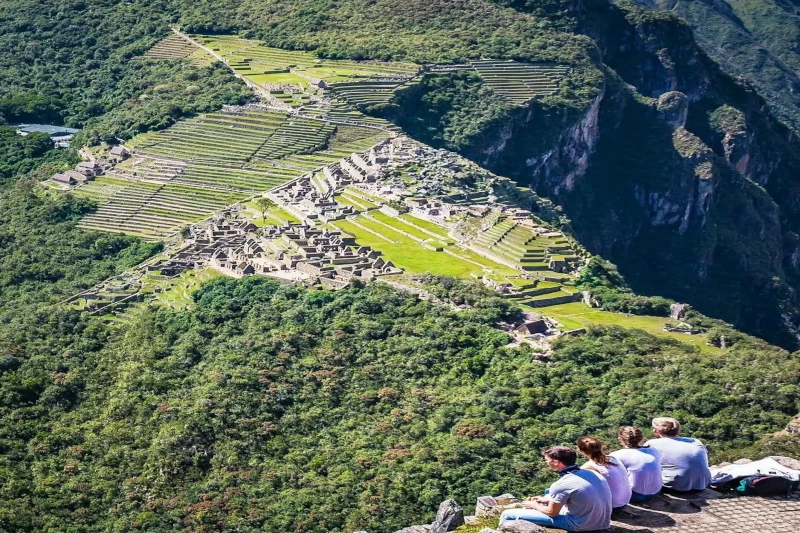
Huayna Picchu, often referred to as Wayna Picchu or Stairs of death, is the towering peak that serves as a backdrop to the ancient city of Machu Picchu. Standing at 2,720 meters (8,924 feet) above sea level, this mountain offers not only a challenging hike but also a unique perspective on the renowned archaeological site. The trail is steep and narrow, with sections that require careful navigation, making it essential to be well-prepared before embarking on your journey.
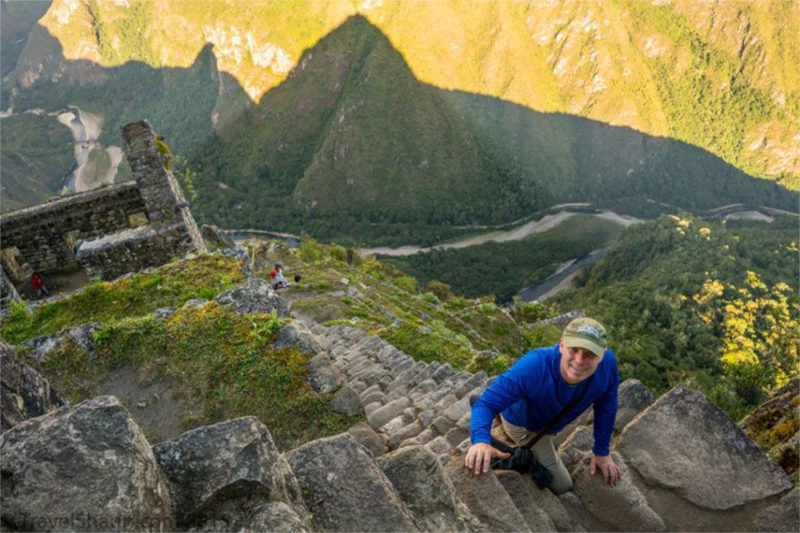
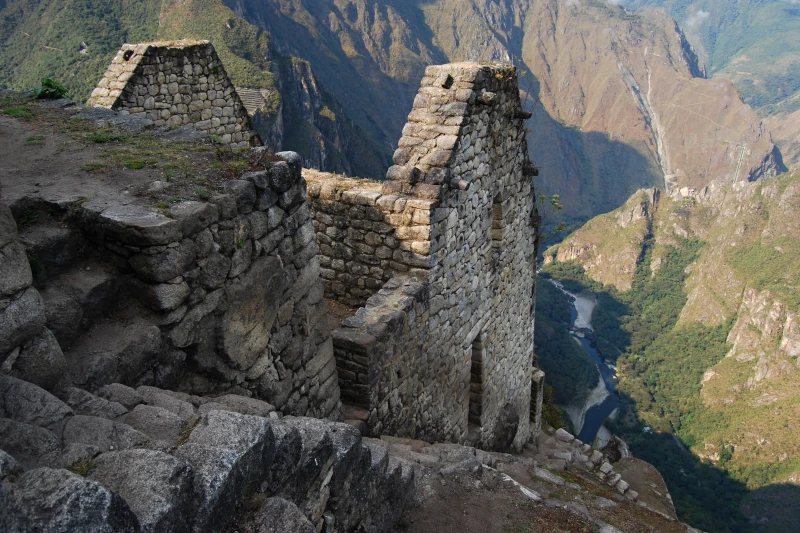
Huayna Picchu mountain is not just another mountain; it holds significant historical importance. The peak is believed to have been used as a lookout point by the Incas to monitor the skies and the surrounding landscape. This strategic location provided a vantage point for the Incas to protect their sacred city.
Climbing this mountain allows hikers to walk in the footsteps of ancient civilizations, offering a tangible connection to the past. As you explore, consider the ingenuity and resilience of the Inca people who once inhabited this incredible region.
The geography of Huayna Picchu is as fascinating as its history. The mountain is part of the Andean range, characterized by its rugged terrain and diverse ecosystems. As you ascend, you’ll traverse through different climatic zones, from lush cloud forests to rocky alpine landscapes.
The weather can vary dramatically, with the potential for both intense sun and sudden rain showers. Understanding the climate is crucial for preparation, ensuring that you are equipped for any conditions you might encounter.
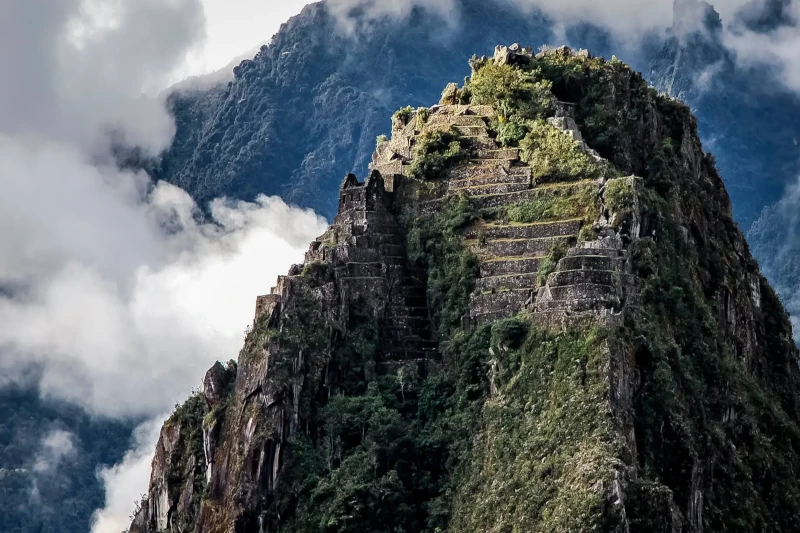
Huayna Picchu is shrouded in mystique and legend. According to local folklore, the mountain is home to spirits and ancient guardians. These stories add an element of enchantment to the hike, enhancing the sense of adventure and discovery. As you climb, take a moment to reflect on the spiritual significance of the mountain, appreciating the cultural richness that surrounds you. Embrace the magic of the Andes and let it inspire your journey.
Before you can climb Huayna Picchu, you’ll need to secure a Machu Picchu ticket that includes access to the mountain. Tickets are limited and sell out quickly, so it’s advisable to book well in advance. Typically, two hiking slots are available: one starting at 7:00 AM and another at 10:00 AM. Choose the time that best suits your itinerary, but remember that the morning slot often offers clearer views and cooler temperatures.
Securing a ticket to visit Huayna Picchu is an essential step in your planning. The booking process can seem daunting due to high demand and limited availability. Start by visiting the official Machu Picchu website or consulting a reputable travel agency. Be prepared to book several months in advance, especially during peak tourist seasons. Having a flexible travel schedule can be advantageous, allowing you to choose from available dates and times.
Choosing between the 7:00 AM and 10:00 AM hiking slots depends on your preferences and itinerary. The early slot is ideal for those who enjoy cooler temperatures and the tranquility of a morning hike. It also offers the best chance for unobstructed views before the clouds roll in.
The later slot can be more leisurely, allowing for a relaxed morning and the possibility of warmer temperatures. Consider your energy levels and travel plans when selecting a time.
Cusco, the gateway to Machu Picchu, sits at a high altitude of 3,400 meters (11,154 feet). Spending a few days acclimating in Cusco or the Sacred Valley of the incas before your hike is crucial to prevent altitude sickness. Engage in light activities, such as exploring the local culture or taking short walks, to help your body adjust. Additionally, being in good physical shape will enhance your hiking experience, as the trail can be physically demanding.
Acclimatization is an essential aspect of preparing for Huayna Picchu. Altitude sickness can affect anyone, regardless of age or fitness level, and can turn a dream hike into a challenging ordeal. Spend at least two to three days in Cusco or the Sacred Valley to allow your body to adjust to the reduced oxygen levels. During this time, drink plenty of fluids, avoid alcohol, and eat light meals to help your body adapt smoothly.
While acclimatization is crucial, physical fitness should not be overlooked. The trail to Huayna Picchu is steep and can be physically demanding, especially for those not accustomed to hiking. Incorporate cardiovascular exercises like walking, running, or cycling into your routine several weeks before your trip. Strengthening your leg muscles and core will also aid in managing the ascent and descent. A well-prepared body will make the hike more enjoyable and less taxing.
Despite preparation, altitude sickness can still occur. Be aware of the symptoms, which include headaches, dizziness, nausea, and shortness of breath. If you experience any of these symptoms, it’s important to descend to a lower altitude and rest. Taking over-the-counter medication like acetazolamide, after consulting with a healthcare professional, can help alleviate symptoms. Listen to your body and prioritize your health over reaching the summit.
Packing wisely is essential for a successful hike. Here’s a checklist of items to bring:
The Andean weather can be unpredictable, with rapid changes in temperature and conditions. Dress in layers to adapt to these fluctuations, starting with moisture-wicking base layers to keep sweat away from your skin. A fleece or lightweight down jacket can provide warmth, while a waterproof outer layer protects against rain. Consider packing a compact poncho for sudden downpours and be prepared for both sun and rain.
The Huayna Picchu trail is divided into two main routes: the standard route and the Great Cavern route. The standard route takes approximately 2-3 hours round-trip and leads directly to the summit. The Great Cavern route is longer, taking 4-5 hours, and includes a visit to the Temple of the Moon, a fascinating archaeological site.
Both routes require careful navigation, as the trail can be steep and slippery, especially after rain. Pay attention to your surroundings, and take your time, especially on the descent.
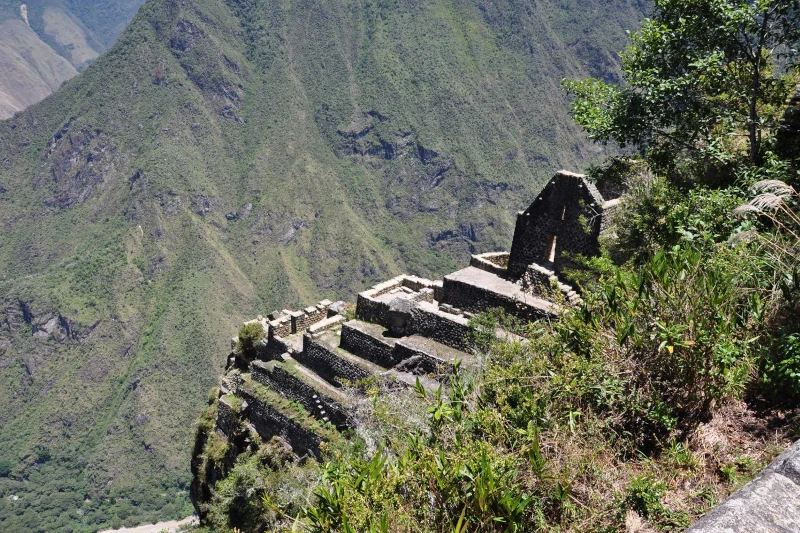
The standard route to enter Huayna Picchu is the most direct path to the summit, offering breathtaking views of Machu Picchu below. This route is popular for its relatively shorter duration and the stunning vistas it provides at the peak. As you ascend, take breaks to soak in the scenery and capture photographs. The trail can be narrow, so proceed with caution, especially on steep sections.
For those seeking a more immersive experience, the Great Cavern route offers a longer, more challenging hike. This path leads to the Temple of the Moon, an intriguing Inca site with mysterious carvings and structures. The extended hike provides a deeper connection with the natural landscape and the history of the region. Allocate extra time for this route, and be prepared for a physically demanding but incredibly rewarding journey.
Trail conditions on Huayna Picchu can vary depending on the season and weather. During the rainy season, from November to April, the path can be slippery and muddy, requiring extra caution. In contrast, the dry season offers more stable conditions but can also be crowded. Check the weather forecast before your hike, and be prepared to adjust your plans if conditions are unfavorable. Safety should always be your top priority.
The trail to Huayna Picchu is equipped with safety features such as ropes and cables to aid hikers on challenging sections. These features are particularly useful on steep and exposed parts of the trail. Always use them for support, especially if you feel unsteady. Trust your instincts, and don’t rush through difficult segments. Taking your time ensures a safer and more enjoyable hike.
Awareness of potential hazards is key to a safe hike. Loose rocks, slippery surfaces, and narrow passages require careful navigation. Be mindful of your footing, and avoid distractions like using your phone while on the trail. If rain is forecasted, consider postponing your hike to avoid increased risk. Respecting the mountain and its challenges ensures that you enjoy the experience while minimizing dangers.
Preparation for emergencies is an important aspect of hiking Huayna Picchu. Carry a basic first-aid kit with essentials like band-aids, antiseptic wipes, and pain relievers. Know the location of the nearest exit points and how to contact local authorities in case of an emergency. Traveling with a partner or group adds an extra layer of safety, providing support and assistance if needed.
After your hike, consider spending time in Aguas Calientes, the charming town nestled in the valley below Machu Picchu mountain. Here, you can unwind in the natural hot springs, explore local markets, and savor Peruvian cuisine. The town is also a convenient base for exploring other attractions in the region, such as the Sacred Valley and the Short Inca Trail.
A visit to the thermal baths in Aguas Calientes is a perfect way to relax after a strenuous hike. The natural hot springs offer therapeutic benefits, soothing tired muscles and providing a sense of rejuvenation. The warm waters are enriched with minerals, making them a popular choice for both locals and tourists. Spend an afternoon indulging in these serene surroundings, allowing the tranquil atmosphere to enhance your experience.
Aguas Calientes is a vibrant town with a rich cultural tapestry. Wander through bustling markets to discover traditional handicrafts and souvenirs. The town’s restaurants serve a variety of Peruvian dishes, from fresh ceviche to hearty alpaca steak. Don’t miss the opportunity to try local specialties like chicha morada, a refreshing purple corn drink. Engaging with the culture through its food and markets adds depth to your travel experience.
While in Aguas Calientes, take advantage of its proximity to other fascinating sites. The Sacred Valley is home to remarkable Inca ruins and picturesque landscapes, offering additional exploration opportunities. Consider visiting the Maras salt mines or the Moray agricultural terraces, both showcasing the ingenuity of Inca engineering. If time permits, the Inca Trail provides a condensed yet rewarding trek, offering glimpses of ancient ruins and stunning vistas.
Enter Machu Picchu often involves a scenic train journey from Cusco or Ollantaytambo to Aguas Calientes. The train to Machu Picchu ride offers spectacular views of Urubamba river and the Andean landscape, with towering mountains and lush valleys. Book your tickets in advance, especially during peak tourist seasons, to ensure a smooth travel experience.
The train journey to Aguas Calientes is an adventure in itself, offering breathtaking views of the Andean countryside. The route winds through narrow valleys and alongside rushing rivers, providing passengers with a unique perspective on the region’s natural beauty. Opt for a seat with panoramic windows to fully appreciate the scenery. The journey sets the stage for the wonders that await at Machu Picchu.
Several train services operate between Cusco, Ollantaytambo, and Aguas Calientes, each offering different levels of comfort and amenities. From budget-friendly options to luxury services with gourmet meals and live entertainment, there’s a choice for every traveler. Consider your preferences and budget when selecting a service. Booking in advance is crucial, as tickets can sell out quickly, particularly during high season.
If time allows, consider embarking on the Classic Inca Trail, a multi-day trek that culminates at Machu Picchu. This journey offers a deeper immersion into the history and natural beauty of the region, with opportunities to visit lesser-known Inca ruins along the way. The inca trail to Machu Picchu is a great option for those who want the best experience possible.
The Classic Inca Trail is a legendary trek that spans approximately 26 miles (42 kilometers) and takes four days to complete. This iconic route leads hikers through diverse landscapes, including cloud forests, alpine tundra, and ancient ruins. Each day presents new challenges and discoveries, from the awe-inspiring Dead Woman’s Pass or Warni wañusqa to the mysterious ruins of Wiñay Wayna. Completing the trail is a testament to endurance and offers unparalleled views of Machu Picchu upon arrival. The jungle trek is a side tour that brings more activities designed for the adventurous visitors.
Hiking Huayna Picchu is more than just a physical challenge; it’s an opportunity to connect with the rich history and breathtaking beauty of the Inca Empire. By preparing adequately and respecting the trail, you’ll create memories that will last a lifetime. Whether you’re climbing the mountain for the views, the adventure, or the history, remember to embrace each moment and enjoy the journey. Safe travels!
The experience of hiking Huayna Picchu and exploring Machu Picchu leaves a lasting impression on all who venture there. Reflect on the journey, from the initial preparation to the exhilarating climb and the awe-inspiring views. Each step taken is a testament to your perseverance and curiosity. Allow the memories and insights gained to inspire future adventures and a deeper appreciation for the world’s wonders.
Preserving the memories of your hike is an important part of the experience. Take photographs to capture the stunning vistas and unique moments along the trail. Consider keeping a travel journal to document your thoughts and reflections. These mementos serve as a reminder of the journey and the beauty encountered, allowing you to relive the adventure and share it with others.
Huayna Picchu is just one of many remarkable experiences the Andean region has to offer. Let your hike be the beginning of a lifelong exploration of the world’s natural and cultural significance. Whether it’s trekking through other parts of Peru, exploring new continents, or discovering hidden gems in your own backyard, embrace the spirit of adventure and the endless possibilities it brings. Safe travels on all your future journeys!