
When it comes to awe inspiring landscapes and rich cultural experiences, few places rival the majesty of Salkantay Mountain in Peru. Standing tall at 20,574 feet above sea level, one of the highest mountains, is more than just a sight to behold.
It’s an adventure waiting to happen. Whether you’re a corporate executive looking to unwind, a freelance photographer in search of stunning vistas, or an academic researcher eager for cultural insights, Salkantay offers something for everyone.
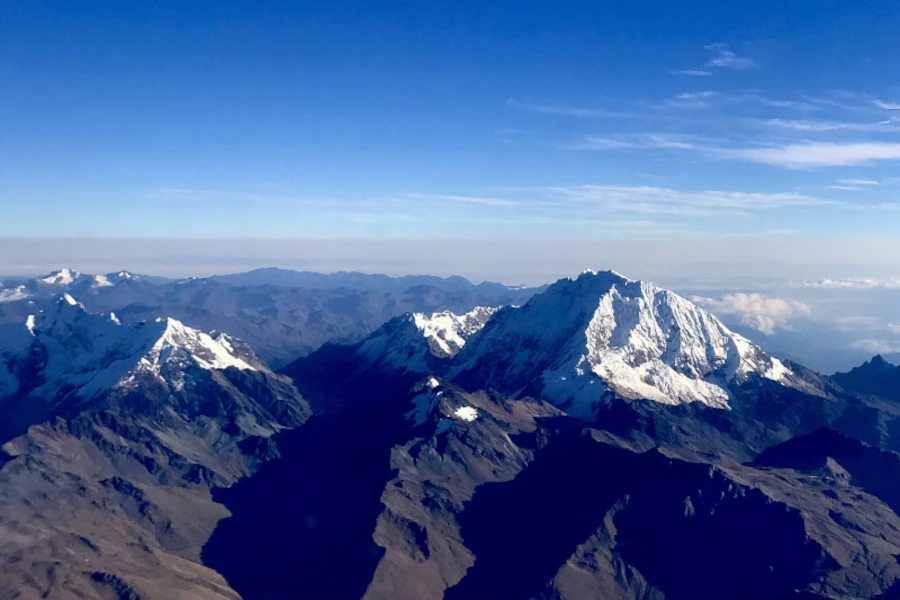
Salkantay Mountain, or “Savage Mountain” in Quechua, is part of the Vilcabamba Range in the Peruvian Andes at the Cusco region. Its snow-capped peaks contrast beautifully with the lush green valleys below, creating a visual spectacle that’s both breathtaking and humbling.
Salkantay is not just a mountain; it’s a geological wonder that has fascinated scientists and explorers alike. The mountain’s formation is a testament to the immense tectonic forces that shaped the Andes over millions of years.
Its rugged terrain and high-altitude conditions create unique ecosystems that support diverse flora and fauna. You can find Humantay lake ,another beautiful place just in front of the mountain. This is a stunning natural wonder of turquoise waters.
For the Incas, Salkantay was more than just a mountain; it was a sacred entity. The Incas believed it was the abode of the gods, and to this day, the local Quechua people hold it in high spiritual regard.
This reverence is palpable as you trek through the region, adding a profound layer to the natural beauty that surrounds you.
Understanding the climate of Salkantay peak is crucial for anyone planning a visit. The mountain experiences diverse weather conditions, ranging from sunny days to sudden snowfalls and rainy seasons, especially at higher altitudes.
The best time to visit is during the dry season, from May to September, when the trails are more accessible, and the skies are clear. Visitors need to consider the altitude adaptation period. Usually it is recommended to stay a couple of days at the Sacred Valley to acclimatisation.

The Salkantay Trek is a popular alternative to the Inca Trail, offering equally stunning landscapes without the crowds. You are able to take the salkantay trek to Machu picchu.
This trek is a journey through diverse ecosystems, from tropical jungles to high-altitude passes, each with its own unique flora and fauna.
The Salkantay Trek typically spans five days and covers approximately 46 miles. Although it’s a physically demanding trek, the rewards are well worth the effort. Here’s a breakdown of the itinerary:
Begin your trek in the quaint village of Mollepata and ascend to Soraypampa, where you’ll camp beneath the shadow of Salkantay.
The initial ascent offers stunning views of the surrounding valleys, and as you climb higher, you’ll be immersed in the serene beauty of the Andean landscape.
This is the most challenging day, as you’ll cross the Salkantay Pass at an altitude of 15,213 feet. The ascent is steep, but the panoramic views from the top are worth every step. As you descend into the cloud forest, you’ll be greeted by a vibrant array of plant and animal life.
Descend further into the tropical forest, passing coffee plantations and enjoying the vibrant biodiversity of the region. The trail winds through lush greenery, and you’ll have the opportunity to learn about local coffee production, a vital part of the region’s economy.
A gentler day of hiking, culminating in a train ride to Aguas Calientes, the gateway to Machu Picchu. This leg of the journey offers a chance to relax and take in the scenic beauty, as you approach one of the world’s most famous archaeological sites.
The grand finale of your trek, exploring the ancient citadel of Machu Picchu, a UNESCO World Heritage site. The awe inspiring architecture and breathtaking views make this a fitting end to your adventure.
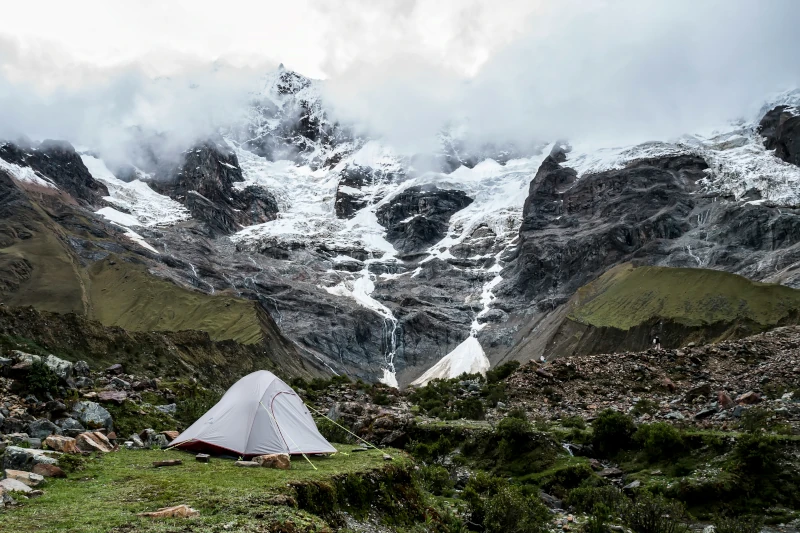
With numerous tour operators offering Salkantay Trek packages, selecting the right one can be daunting. Look for tours that align with your preferences, whether it’s luxury mountain lodges or budget friendly camping.
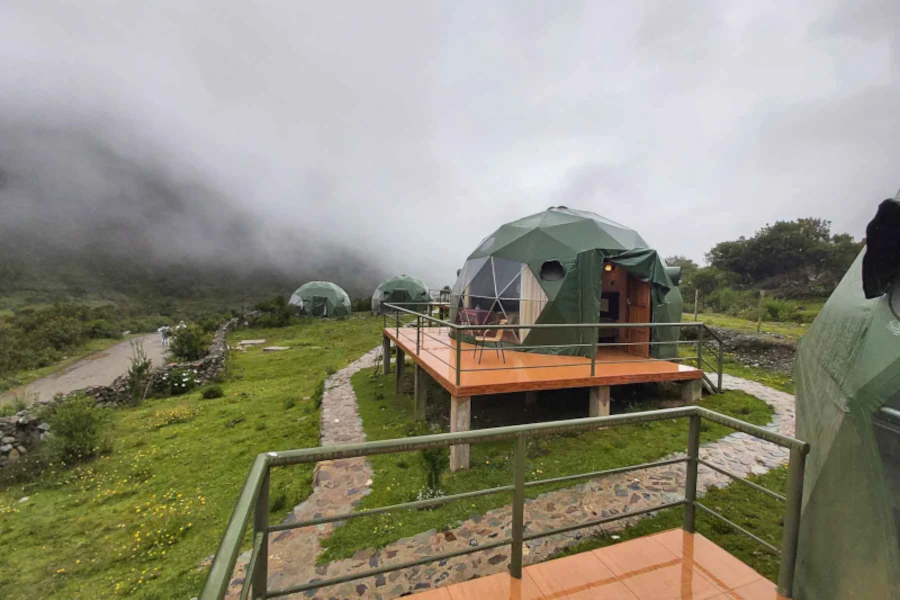
For those seeking comfort, the Mountain Lodges of Peru offer an upscale experience with private accommodations, gourmet meals, and guided tours. These lodges provide a perfect blend of luxury and adventure, ensuring a memorable experience.
Backpackers can opt for more economical tours that include basic camping facilities and meals. These tours focus on the raw beauty of the trek, offering a more rugged experience that appeals to adventurous spirits.
Some operators offer customized tours, allowing you to tailor your trek to suit your interests and fitness level. There are some attractive alternatives like the Ausangate mountain treks. Either way if you want to focus on photography, wildlife spotting, or cultural interactions, there’s a tour that can meet your needs.
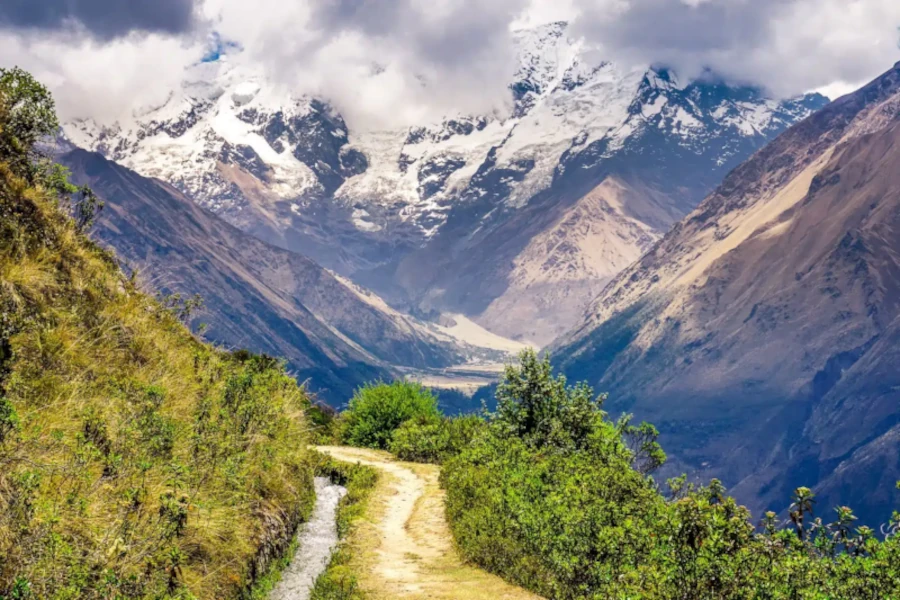
For freelance photographers, Salkantay is a treasure trove of photographic opportunities. From the dramatic peaks of the mountain range itself to the vibrant colors of the Andean wildlife, there’s no shortage of subjects to capture.
The best time for photography is during the golden hour just after sunrise and before sunset when the light is soft and warm. This magical lighting transforms the landscape, highlighting the contours of the mountains and casting a golden glow over the valleys.
Be mindful of the local communities and ask for permission before photographing people. Respect for the Quechua people’s privacy and traditions is crucial, as it fosters goodwill and enriches your cultural experience.
Bring a variety of lenses to capture wide landscapes and detailed close ups of flora and fauna. A telephoto lens is ideal for wildlife photography, while a wide angle lens can capture the sweeping vistas of the Andes.
For academic researchers, the Salkantay region is rich with cultural insights. The Quechua people, who have lived in harmony with this land for centuries, offer a unique perspective on life in the Andes.
While Spanish is widely spoken, learning a few phrases in Quechua can go a long way in building rapport with locals. Simple greetings and expressions of gratitude in their native tongue are often met with warm smiles and open hearts.
Engage in local customs and festivals to gain a deeper understanding of Quechua culture. Participating in traditional ceremonies or celebrations offers a rare glimpse into the spiritual and social fabric of the community.
Purchase handmade crafts and products directly from local artisans to contribute to the community’s economy. Supporting local businesses not only helps preserve traditional crafts but also fosters sustainable tourism in the region.
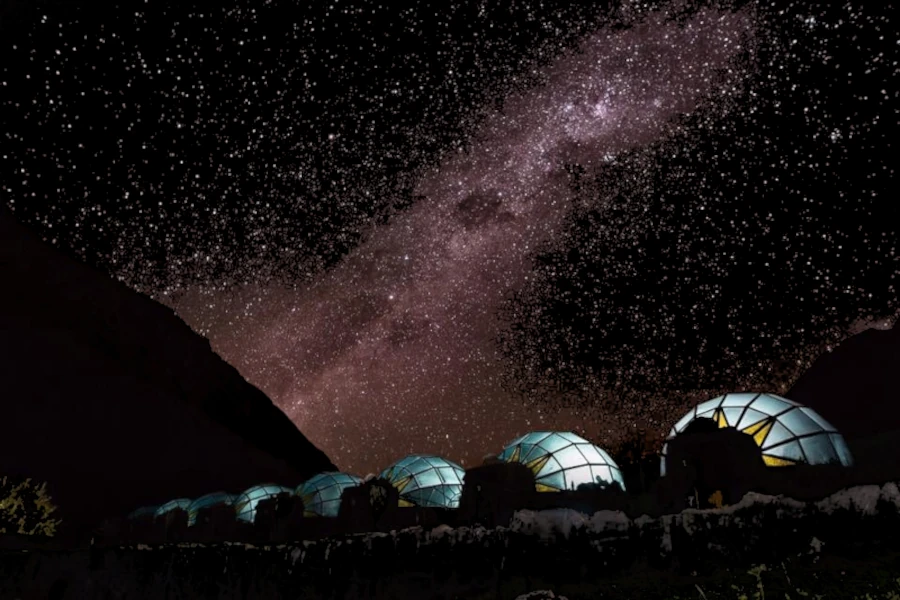
Whether you’re seeking adventure, photographic inspiration, or cultural understanding, Salkantay Mountain is a destination that promises to enrich your soul. Its natural beauty and cultural depth create an experience that’s both transformational and unforgettable. As you plan your journey, remember to respect the environment and the local communities, ensuring that Salkantay remains a pristine and welcoming place for future travelers. Your return to Cusco will be gratifying enough.
Embark on the Salkantay Trek, and you may find that the journey is just as rewarding as the destination. But don’t forget to drink plenty of water in your journey.
