
Machu Picchu, often referred to as the “Lost City of the Incas,” was built in the 15th century under the reign of the great Inca emperor Pachacuti. Despite its popularity today, much of its history remains shrouded in mystery.
Historians believe that machu picchu’s builders constructed the citadel to serve as a royal estate or religious retreat. However the exact purpose of the site continues to intrigue researchers and travelers alike.

The establishment of Machu Picchu is attributed to the visionary leadership of Emperor Pachacuti. His reign marked a period of significant expansion and consolidation for the Inca Empire. He was the Emperor who ordered the construction of the citadel.
Scholars suggest that Pachacuti envisioned the purpose of Machu Picchu. He saw the site as a retreat from the bustling life of Cusco, the Incan capital. This serene location amidst the Andes Mountains provided a sanctuary for rest, reflection, and religious ceremonies, the heart of South America.
While the Incan Empire was vast, Machu Picchu remained relatively unknown to the outside world for centuries. Its remote location contributed to its preservation and mystery.
The Incas, with their profound understanding of topography. Their emperor selected this site for its strategic advantages. The natural fortifications provided by the surrounding mountains ensured security and seclusion, making it a hidden jewel of the empire.
The rediscovery of Machu Picchu in the early 20th century marked a turning point in its history. Explorer Hiram Bingham, an American historian, stumbled upon the site in 1911. He took it to international attention. His expedition, sponsored by Yale University and the National Geographic Society, unveiled the magnificence of Machu Picchu today it is known to the world. This discovery ignited a global fascination with Incan culture and history. After this ,Machu Picchu transformed into a symbol of ancient architectural brilliance. One of the many secrets the citadel keeps to this day is how machu picchu’s builders did to make this magnificent place.
Machu Picchu’s architecture is a harmonious blend of natural beauty and human ingenuity. The Incas were adept at integrating their structures with the surrounding landscape. Machu Picchu is a perfect example of this synergy.
Machu Picchu was built by skilled artisans and laborers from the Inca civilization. Inca society is renowned for its advanced engineering and architectural prowess. These ancient builders relied on a technique known as “Ashlar,” where stones were precisely cut to fit together without the use of mortar.
Machu picchu’s builders used a method that not only provided stability but also allowed the structures to withstand earthquakes, a testament to the builders’ foresight and expertise. The seamless fitting of stones showcases the Incas’ mastery over their craft, blending functionality with aesthetics.
Machu picchu’s builders excelled in harmonizing their constructions with nature, creating a seamless integration between architecture and the environment. Machu Picchu’s structures are strategically positioned to enhance the natural beauty of the landscape, and the use of natural rock formations as part of the construction is a testament to this philosophy.
The terraces, buildings, and pathways blend effortlessly into the mountainous terrain, creating a breathtaking visual experience that celebrates the natural world. Visitors want to encounter every secret and mystery that this place surrounded by nature and mountains offer.

Within Machu Picchu history , certain structures hold deep symbolic and spiritual significance. The Temple of the Sun, for example, is a circular tower with windows aligned with the solstices, showcasing the Incas’ astronomical knowledge.
This temple, along with other sacred spaces, reflects the Incan belief in the interconnectedness of nature, deities, and human life. These structures were likely used for important rituals and ceremonies, underscoring the spiritual dimension of Machu Picchu’s architecture.
Beyond the Temple of the Sun, other sacred spaces throughout the citadel reflect the profound Incan belief in the interconnectedness of nature, deities, and human existence.
The Intihuatana stone, often called the “hitching post of the sun,” serves as another astronomical instrument that tracks the sun’s movement throughout the year. This carved granite pillar was believed to hold the sun in place during the winter solstice, preventing it from disappearing entirely and ensuring the return of longer days.
The Sacred Plaza, with its Temple of the Three Windows, represents the Incan concept of the three worlds: the underworld (Uku Pacha), the earthly realm (Kay Pacha), and the celestial sphere (Hanan Pacha). Each window symbolically connects these realms, embodying the Incan understanding of cosmic harmony and spiritual balance.
For corporate executives, freelance photographers, and academic researchers alike, Machu Picchu stands as a place of opportunities for exploration, creativity, and discovery. Here are some practical tips to help you make the most of your visit:
The best time to visit Machu Picchu is during the dry season, from May to September. Peru has two differentiated seasons, this one is when the weather is clear and the skies are blue. However, this is also the peak tourist season, so be prepared for crowds.
If you prefer a quieter experience, consider visiting during the shoulder months of April or October. During these months, the weather remains pleasant, and the site is less congested, allowing for a more intimate exploration.
If you prefer a quieter, more contemplative experience that allows for deeper connection with this UNESCO World Heritage site, consider planning your visit during these months. These transitional periods offer a compelling balance between favorable weather conditions and reduced tourist density.
During April, the tail end of the rainy season brings lush, vibrant green landscapes that create a stunning contrast with the ancient gray stones, while occasional light showers add a mystical quality to the ruins as clouds drift through the mountain peaks.
To preserve the integrity of the site, the Peruvian government limits the number of visitors to Machu Picchu each day. It’s essential to book your tickets in advance, especially if you plan to hike the Inca Trail or Huayna Picchu.
Tickets can be purchased online through the official Machu Picchu website. Early booking not only secures your entry but also offers flexibility in choosing the best time slot for your visit.

Cusco is the gateway city to Machu Picchu and offers a range of accommodations to suit every traveler’s needs. From luxury hotels to cozy hostels, you’ll find options that cater to both corporate executives and budget-conscious travelers. You also can find interesting the idea of staying at the Sacred Valley a couple of days before getting to the mountain.
To reach Machu Picchu, take a train from Cusco to Aguas Calientes, the town at the base of the citadel. From there, a short bus ride will take you to the entrance of Machu Picchu. Consider staying overnight in Aguas Calientes to enjoy a relaxed visit and explore the local culture.
If you prefer challenges you can take the Inca trail , which has various alternatives . One of them is the Salkantay trek or the short inca trail . All of them depend on your preferences and desires.
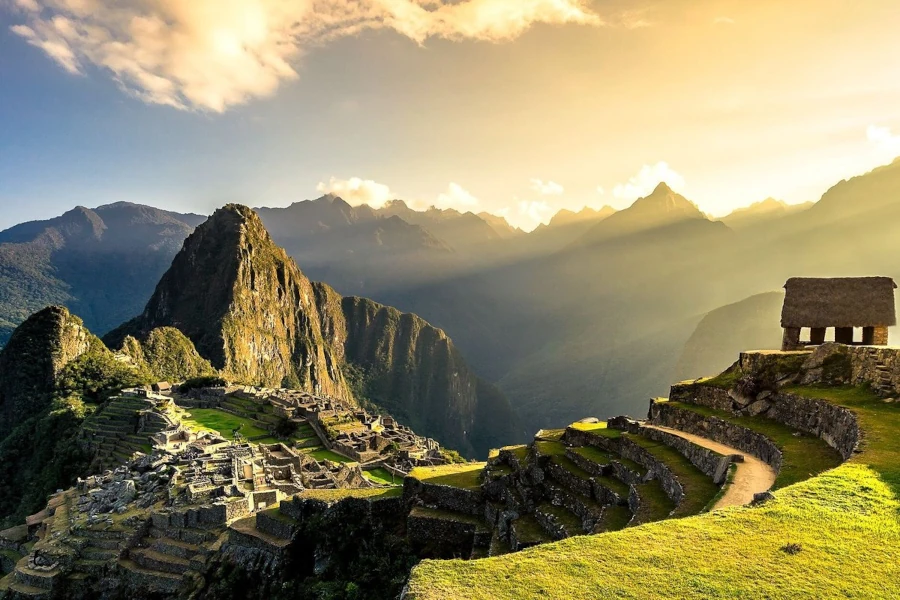
For freelance photographers, Machu Picchu presents a treasure trove of photographic opportunities. The early morning light offers a magical glow over the ruins, while the surrounding mountains provide a dramatic backdrop. To capture the essence of Machu Picchu, consider the following tips:
Arrive early to take advantage of the soft, golden light at sunrise. This is the perfect time to capture the tranquility and majesty of the site. The interplay of light and shadow creates a captivating visual spectacle, highlighting the textures and contours of the ancient stone structures. The quietude of the early hours allows for uninterrupted moments of creative inspiration.
Experiment with different angles and perspectives to highlight the architectural details and natural beauty of Machu Picchu. Climb to vantage points, such as the Sun Gate, to capture panoramic views that showcase the site’s grandeur against the backdrop of the Andes.
Play with composition, framing, and depth to create dynamic and compelling images that tell the story of this remarkable place.
Incorporate elements of local culture and traditions into your photographs to tell a richer, more authentic story. Capture interactions with local guides, artisans, and residents to depict the living culture surrounding Machu Picchu. Consider photographing traditional ceremonies or festivals if they coincide with your visit, adding depth and context to your visual narrative.
The Incas designed each structure to complement the existing topography, carving terraces that follow the mountain’s natural contours while incorporating massive granite outcroppings directly into temple walls.
This harmonious relationship extends to the surrounding cloud forest ecosystem, where over 400 bird species and diverse flora thrive alongside the ancient stones, creating a living sanctuary ideal for appreciation and photography.

Machu Picchu is more than just a destination; it’s a journey through time that offers a glimpse into the ingenuity and spirit of the Inca civilization. As you explore this ancient wonder and its routes. Take a moment to reflect on the incredible achievements of its builders and the cultural legacy they left behind.
Whether you’re a corporate executive seeking a respite from the hustle and bustle, a freelance photographer capturing the world’s beauty, or an academic researcher delving into the mysteries of the past, Machu Picchu promises an unforgettable experience that will inspire and enrich your travels.
Embark on this journey with confidence, armed with the knowledge and insights we’ve shared, and let the secrets of Machu Picchu’s builders unfold before your eyes. As you stand amidst the ruins, allow yourself to be transported back in time, connecting with the enduring spirit of the Incas and the timeless beauty of their creation.
