
Cusco, often referred to as the historical heart of Peru, offers a compelling blend of ancient history and vibrant culture. Nestled high in the Andes of South America. The city stands at an elevation of approximately 11,152 feet (3,399 meters), making acclimatization an essential aspect of your travel plans.
Whether you’re a corporate executive seeking a luxurious getaway, a freelance photographer hunting for the perfect shot. Cusco has something to offer everyone. This multifaceted city is a destination that promises a journey through time, with each experience uniquely tailored to diverse interests.
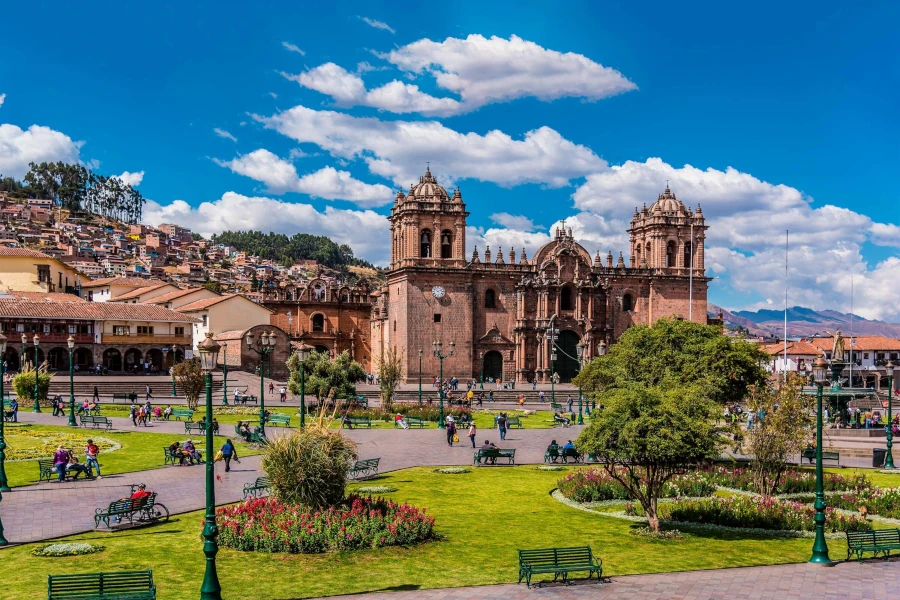
Arriving in Cusco can be breathtaking in more ways than one. The high elevation may challenge visitors unaccustomed to such altitudes. Beforehand, consider spending a few days in a lower altitude city, such as Lima, before ascending to Cusco.
Staying hydrated, avoiding alcohol, and taking it easy during your first couple of days can also help mitigate altitude sickness.
Altitude sickness, also known as acute mountain sickness (AMS), can affect anyone who ascends too quickly to high elevations. In fact symptoms often include headaches, dizziness, nausea, and fatigue.
It’s crucial to recognize these early signs and take preventive measures. Over the counter medications like acetazolamide can help acclimatize more effectively. Don’t forget to always consult with a healthcare provider before traveling.
Spending a day or two in a nearby lower altitude area before heading to Cusco can aid in acclimatization. Cities like Arequipa or the Sacred Valley, slightly lower than Cusco. In fact they offer beautiful landscapes and plenty of activities to keep you engaged while your body adjusts. Gradually ascending to Cusco after acclimatizing in these regions can make a significant difference in how you experience the high altitude.
Once in Cusco, simple lifestyle adjustments can enhance your acclimatization process. Consuming coca tea, a traditional local remedy, can alleviate mild symptoms of altitude sickness.
Additionally, maintaining a slow pace, particularly during physical activities, and ensuring a diet rich in carbohydrates. These ones can provide the energy needed at high altitudes. Always listen to your body and rest when necessary.
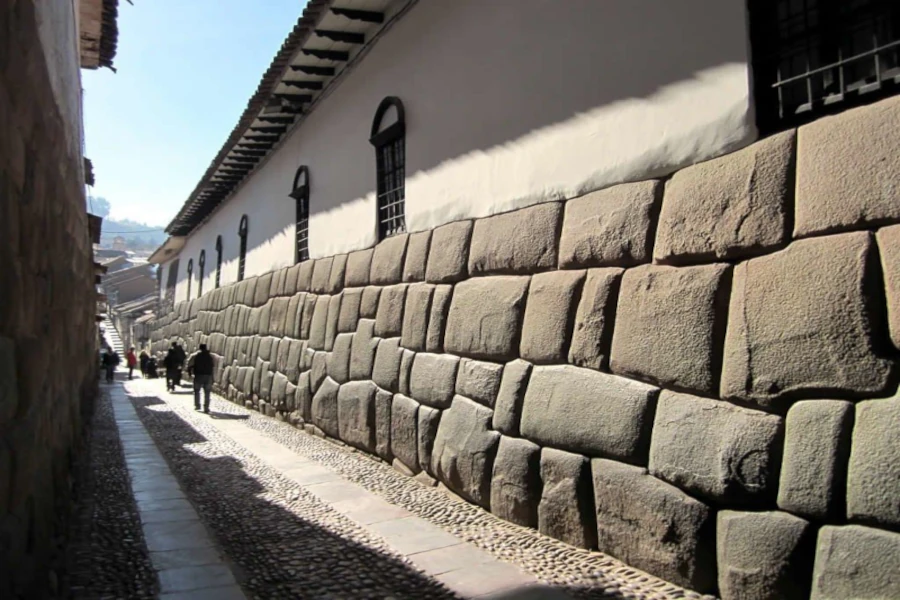
Cusco is a city where history comes alive. Once the capital of the Inca Empire, it boasts a wealth of archaeological sites that offer a glimpse into its storied past. The city’s layout itself is a testament to its rich history. Constructed with streets and structures that have stood for centuries.
Cusco was the political, cultural, and spiritual center of the Inca Empire. Walking through the city, you can almost feel the presence of the ancient civilization. The nearby Sacsayhuamán, an impressive fortress. It showcases the architectural prowess of the Incas with its massive stone walls and panoramic views of Cusco.
The construction techniques of the Incas remain a source of fascination and study. The precise stone masonry, with stones cut to fit perfectly without mortar. Remains as a testament to their engineering skills. Each site, from Sacsayhuamán to Qorikancha, reflects a deep understanding of geology and a spiritual connection with the land.
Cusco wasn’t just a political hub; it was a spiritual epicenter. So the Incas believed it to be the ‘Navel of the World’, a place where the earthly and divine converged. Temples and inca palaces throughout the city were aligned with celestial events. Consequently highlights the Incas astronomical knowledge and their reverence for natural elements.
Exploring Cusco offers insights into daily life during the Inca period. Markets, housing, and public spaces were designed to promote community living and efficiency. Artifacts and exhibits in local museums provide a window into the lives of commoners and royalty alike, from dietary habits to social structures. Inca rulers created a truly great city in the Sacred Valley.
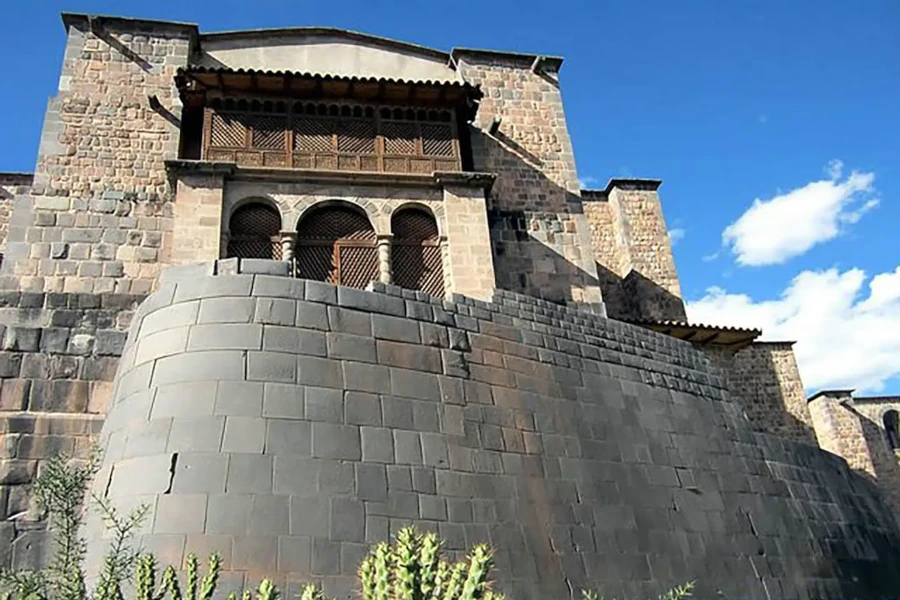
The Spanish conquest brought significant changes to Cusco, blending European styles with traditional Inca architecture. The Cusco Cathedral, located in the Plaza de Armas, is a prime example of this fusion. Its intricate baroque facade and rich interior tell stories of both conquest and coexistence.
The collision of cultures is most evident in Cusco’s architecture. Spanish colonial buildings often incorporated Inca foundations, a symbolic gesture of dominance and adaptation. Walking through the city, you’ll notice how European styles seamlessly blend with ancient Inca stonework, creating a unique aesthetic.
The Spanish introduced Christianity, which the indigenous population adapted in unique ways. Festivals and religious practices often merged Christian beliefs with traditional Inca customs, resulting in a vibrant cultural tapestry that persists today. This cultural adaptation is visible in art, music, and local celebrations.
The stories of conquest and coexistence are embedded in Cusco’s streets and landmarks. Guided tours and museums provide narratives that explore the complex relationship between the Incas and the Spanish. Religious art highlights moments of conflict, resistance, and eventual integration into a shared history.
Traveling to Cusco requires a bit of planning to ensure a smooth experience. Here are some tips to help you make the most of your visit.
Cusco’s Alejandro Velasco Astete International Airport is your gateway to the city. It’s a small airport, so navigating it is relatively straightforward. Plan your flights to arrive during daylight hours to better manage your first day at high altitude.
Upon arrival, you’ll find that the airport’s layout is simple and efficient. While going through customs, ensure you have all necessary documentation ready. The staff is accustomed to assisting international travelers, so don’t hesitate to ask questions if needed.
Once you’ve collected your luggage, there are several transportation options to reach your accommodation. Taxis and shuttles are readily available, and it’s advisable to arrange transport in advance through your hotel to ensure a smooth transition from the airport to the city center.
Before leaving the airport, take advantage of the amenities available. Currency exchange services, ATMs, allowing you to prepare for your stay in Cusco. It’s also an opportunity to grab a map and brochures on local attractions.
Cusco offers a wide range of accommodations. You find luxurious hotels and cozy hostels. For a touch of indulgence, consider the Belmond Hotel Monasterio, a former monastery with beautiful courtyards and exceptional service. For those seeking a more authentic experience, staying at a local guesthouse can provide insight into daily life in Cusco.
For travelers seeking luxury, Cusco has several high-end hotels offering world-class amenities. Properties like the JW Marriott El Convento Cusco blend historical charm with modern comforts. These hotels often include spa services, fine dining, and personalized excursions, ensuring a memorable stay.
Backpackers and budget travelers will find numerous hostels and budget hotels throughout Cusco. These accommodations provide affordable lodging with communal areas, perfect for meeting fellow travelers. Options like Pariwana Hostel offer a vibrant atmosphere and organized activities, ensuring a fun and economical stay.
For a truly immersive experience, consider staying with a local family through homestays. This option allows you to engage closely with Cusco’s culture, partake in daily routines, and enjoy homemade meals. It’s an opportunity to learn firsthand about local customs and practices.
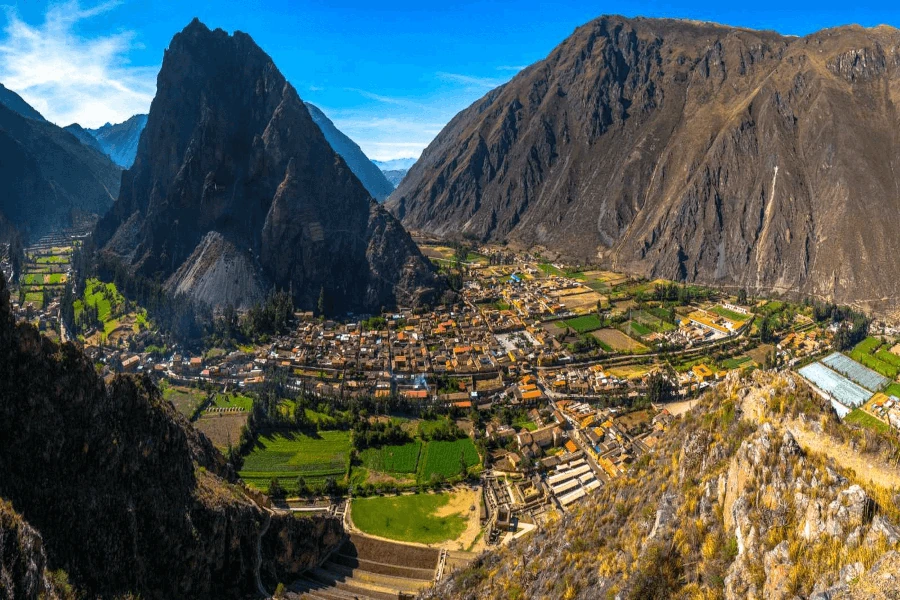
Cusco is brimming with attractions that cater to various interests. Called the historical capital of Peru. We have various places, such as the vibrant San Pedro Market, where you can sample local delicacies. You can also take a look at the peaceful Santo Domingo Temple,it once was the Sun Temple. There’s no shortage of sites to explore.
Don’t miss the opportunity to visit Chincheros, a short trip from Cusco. Maras Moray also offer breathtaking landscapes and additional Inca ruins near the city..
Cusco’s historical sites are numerous and varied. Sites like the Qorikancha, a temple for the sun god. The ruins of Tambomachay provide insights into the city’s Inca past. Guided tours are available, offering detailed explanations of each site’s historical and cultural significance.
The natural beauty surrounding Cusco is unparalleled. The Sacred Valley, with its stunning landscapes and archaeological sites, is a must-visit. Additionally, outdoor enthusiasts can explore nearby hiking trails, offering breathtaking views of the Andes and opportunities to connect with nature.
Cusco’s vibrant culture is best experienced through its local markets, museums, and art galleries. The Centro de Textiles Tradicionales del Cusco is an excellent place to learn about traditional weaving techniques. Meanwhile, the Museo Inka offers a comprehensive overview of the region’s history and culture.
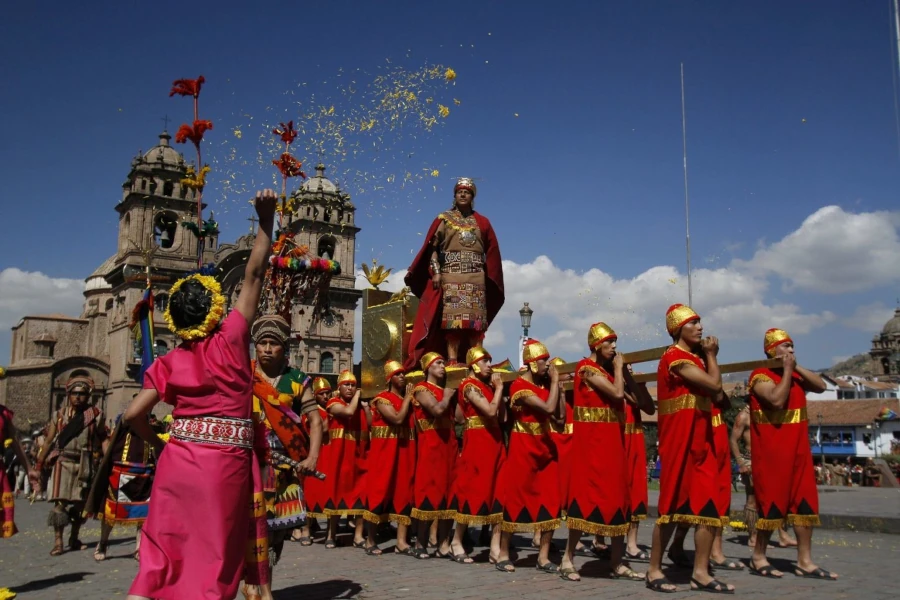
Cusco’s culture is a rich tapestry woven from its indigenous roots and colonial influences. Engaging with local customs and traditions can enhance your visit.
Cusco is known for its vibrant festivals, such as Inti Raymi, the Festival of the Sun. This festival celebrates the winter solstice with colorful parades and traditional performances. Participating in or observing these festivals can offer valuable insights into the local way of life.
Inti Raymi is just one of many festivals celebrated in Cusco. Semana Santa and Corpus Christi are other significant events, showcasing religious pageantry and community spirit. Each festival is a sensory feast, with music, dance, and elaborate costumes bringing the streets to life.
Traditional rituals often accompany these festivals, reflecting the syncretism of indigenous and Christian beliefs. Witnessing these rituals provides a deeper understanding of the cultural heritage and spiritual life of the people of Cusco.
Festivals in Cusco are community driven events, with locals actively participating in preparations and celebrations. Engaging with locals during these times can offer a unique perspective on community dynamics and local traditions.
Peruvian cuisine is renowned worldwide, and Cusco is no exception. Just be sure to try local dishes like cuy (guinea pig) and alpaca, as well as a variety of potato-based dishes. For a sweet treat, sample some traditional Peruvian chocolate at a local chocolatier.
Cusco’s culinary scene is a delightful mix of traditional and contemporary flavors. Traditional dishes like lomo saltado and ají de gallina are must-tries. Local markets offer a chance to sample a variety of street foods, providing a taste of everyday life in Cusco.
For a more refined dining experience, restaurants like Chicha and Cicciolina offer modern takes on traditional dishes. These establishments focus on local ingredients and innovative cooking techniques, providing a unique culinary journey.
Enhance your culinary adventure by participating in a cooking class. Learn to prepare classic Peruvian dishes under the guidance of local chefs. In fact these classes often include a visit to the market, offering insights into local produce and cooking methods.
To fully appreciate Cusco’s history and culture, consider joining a guided tour. You can take Cusco City Tours or Sacred Valley tours . They are great experiences before arriving in Machu Picchu. Whether you’re hiking the Inca Trail to Machu Picchu or exploring the city’s hidden gems, guided tours can enrich your experience.
No visit to Cusco would be complete without a trip to Machu Picchu. The journey to this iconic site is as memorable as the destination itself. Whether you choose to trek the Inca Trail or take the train, the experience is sure to be unforgettable. Remember to account for the altitude at Machu Picchu. Take notice that it is slightly lower than Cusco at about 7,970 feet (2,430 meters).
The Inca Trail is a bucket-list trek for many, offering a challenging yet rewarding experience. Alternative treks like the Salkantay or Lares provide equally stunning views and less crowded paths. Each route offers a unique perspective on the diverse landscapes of the Andes. There are other mountain treks like the ones of the Rainbow Mountain or Ausangate Mountains.
For those seeking a more leisurely journey, train rides to Machu Picchu offer comfort and spectacular views. Services like the Vistadome and the luxurious Hiram Bingham provide different travel experiences. Above all offering panoramic windows for enjoying the breathtaking scenery.
Once at Machu Picchu, guided tours can enhance your understanding of the site’s historical significance. Guides provide insights into the construction techniques and cultural importance of this ancient wonder. Be sure to take time to explore the site’s many hidden corners and take in its majestic beauty.
To deepen your understanding of Cusco’s culture, consider participating in a local workshop. Learn traditional weaving techniques from skilled artisans or take a cooking class to master the art of Peruvian cuisine.
Cusco is a hub for traditional crafts, and workshops offer hands-on experiences in pottery, weaving, and jewelry making. Engage with local artisans who share their techniques and stories. While providing a deeper appreciation for the region’s artistic heritage.
Cusco is more than just a gateway to Machu Picchu. We have a city rich in history and culture, offering a unique blend of the ancient and the modern. By understanding its elevation challenges, embracing its historical significance. .You can create a travel experience that is both enlightening and unforgettable in the inca city.
Cusco invites you to explore its depths, from the echoes of the Inca Empire to the vibrant pulse of its present-day culture. Each moment spent in this captivating city is a step through history, a chance to connect with a storied past and a vibrant present.
